

Sensitive Skin Explained: Causes, Myths & What Actually Helps
Sensitive skin is often misunderstood.
One day your skin feels calm and balanced. The next, it feels tight, reactive or uncomfortable for no obvious reason. A product you've used before suddenly stings. A change in weather leaves your skin feeling irritated.
Understanding why this happens is the first step towards supporting a stronger, more resilient skin barrier. In this article, we'll explore what sensitive skin actually is, what may contribute to it and how to care for it without overwhelming the skin in the process.
What is sensitive skin? Sensitive skin explained
Sensitive skin isn't a skin type in the traditional sense. Rather, it's a description of how the skin behaves.
When skin is sensitive, it tends to react more readily to environmental factors, ingredients, temperature changes or lifestyle influences that may not affect others in the same way. This often occurs when the skin barrier becomes compromised or when the skin's natural protective mechanisms are under increased stress.
If you aren't sure if your skin falls into this category, look for these signs:
- Frequent flushing: Your skin turns red easily from heat, spicy food or even just a warm shower.
- Physical discomfort: You often feel stinging, burning or a "tight" sensation after using certain products.
- Unpredictable breakouts: You get small red bumps or rashes, which are different from regular acne, when you switch up your routine.
- Dryness and flaking or extreme oiliness: Your skin often feels parched and may show dry patches because it struggles to retain moisture. Its exact opposite, overly oily skin, might also be a sign of sensitivity.
- Reaction to weather: Your skin gets itchy the moment the temperature drops or the wind picks up.
- Sensitivity to fragrance: Scented soaps or perfumes often cause an immediate tingly or itchy reaction.
What causes sensitive skin?
Many people respond to skin sensitivity by reaching for stronger products in an attempt to "fix" the problem. Unfortunately, this often places further stress on an already compromised skin barrier, creating a cycle of ongoing irritation and reactivity.
Understanding what causes sensitive skin is the first step towards restoring its resilience. Here are some common key triggers:
- Environmental stressors: Sudden temperature changes, low humidity and UV exposure may cause skin irritation.
- Biological factors: Genetic leanings towards thinner skin or lower lipid production may also cause skin sensitivity.
- Lifestyle triggers: High stress levels, certain diets or over-exfoliation may cause sensitivity.
- Chemical irritants: Some skin irritation causes include using harsh cleansing agents, excessive exfoliation or the overuse of highly active ingredients.
Sensitive skin myths that cause more harm than good
Misinformation often leads to routines that aggravate skin irritation. Here, we clarify three common misconceptions:
- Sensitive skin is always dry: Sensitivity affects all skin types, including oily complexions that may overproduce sebum to compensate for a weak, compromised skin barrier.
- All-natural means irritation-free: Botanical ingredients can be incredibly supportive for sensitive skin, but formulation matters. Some plant extracts and essential oils can still trigger reactions in susceptible individuals. The goal isn't simply choosing natural ingredients, but selecting products that prioritise skin compatibility and barrier support.
- You should only wash with water: Water alone cannot remove oil-based pollutants. Using gentle facial cleansers ensures skin stays clean without being stripped of essential oils.
Why some skincare products trigger irritation
Many products contain ingredients that can be challenging for reactive skin, particularly when the skin barrier is already compromised.
Fragrance and sensitive skin
Fragrance is one of the most common triggers for sensitive skin. While not everyone will react to fragranced products, both synthetic fragrance and certain fragrant plant compounds can increase the likelihood of irritation in susceptible individuals.
When combined with drying alcohols, harsh cleansing agents or an overly complex skincare routine, these factors can contribute to redness, discomfort and heightened reactivity.
How to care for sensitive skin properly
Supporting sensitive skin is often less about adding more products and more about creating the right conditions for the skin to function well.
A gentle, consistent sensitive skin skincare routine focused on barrier support can help reduce reactivity over time. By removing unnecessary additives and focusing on barrier reinforcement, you allow the skin to return to its baseline state.
- Simplify: Reduce your routine to the essentials: cleanse, hydrate and protect.
- Temperature control: Use lukewarm water, as extreme heat can strip the skin of natural oils.
- Patch test: Always introduce new products gradually.
- Targeted support: Seek out organic skincare for sensitive skin that prioritises soothing extracts like aloe vera and calendula.
When does sensitive skin need professional advice?
While a thoughtful approach to skincare for sensitive skin can manage most reactivity, persistent discomfort requires attention. If you experience swelling or if your skin does not respond to a simplified routine, or if symptoms are persistent, worsening or affecting your quality of life, consulting a qualified healthcare professional is essential to rule out underlying dermatological conditions.
Restore your skin’s balance with Mukti Organics
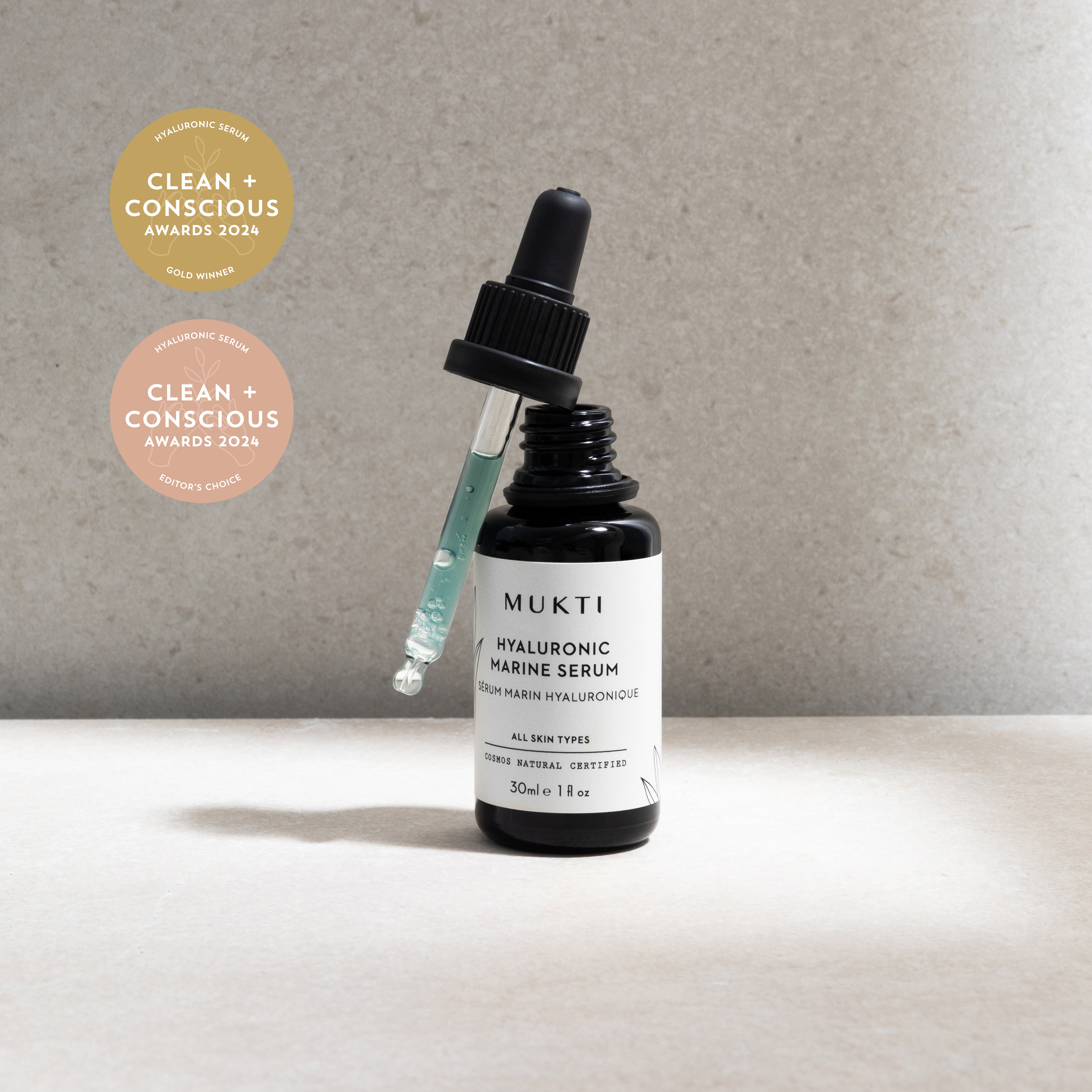
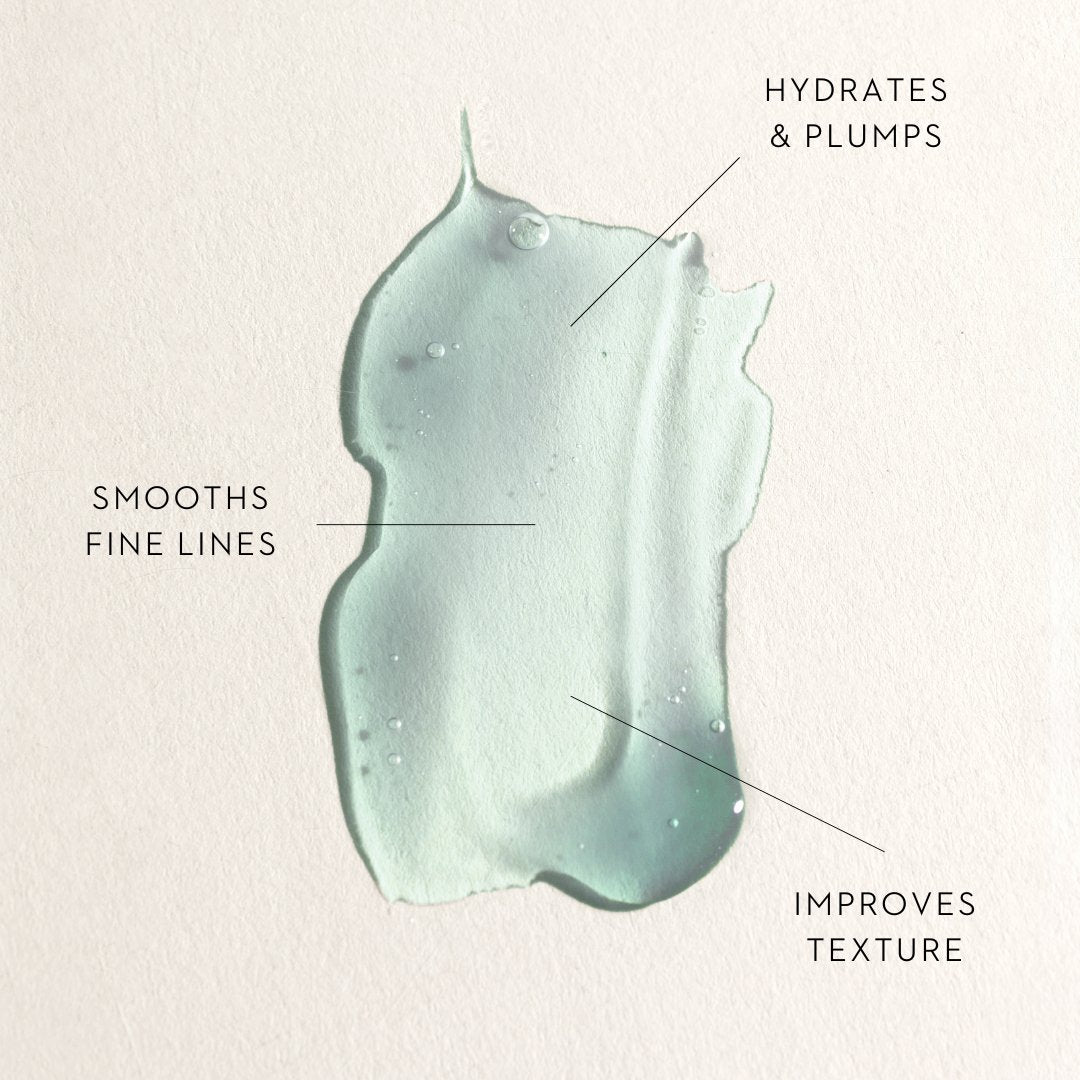
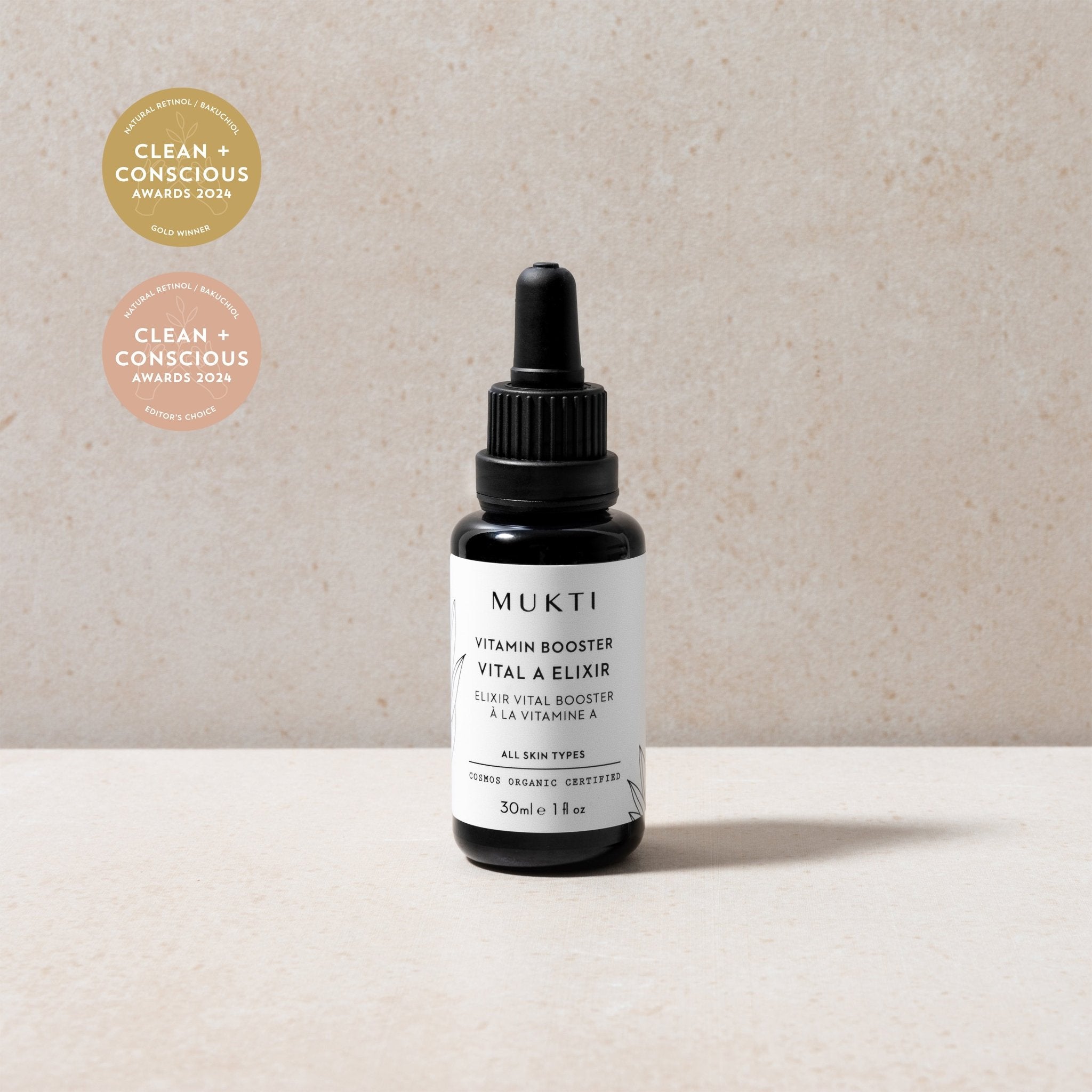
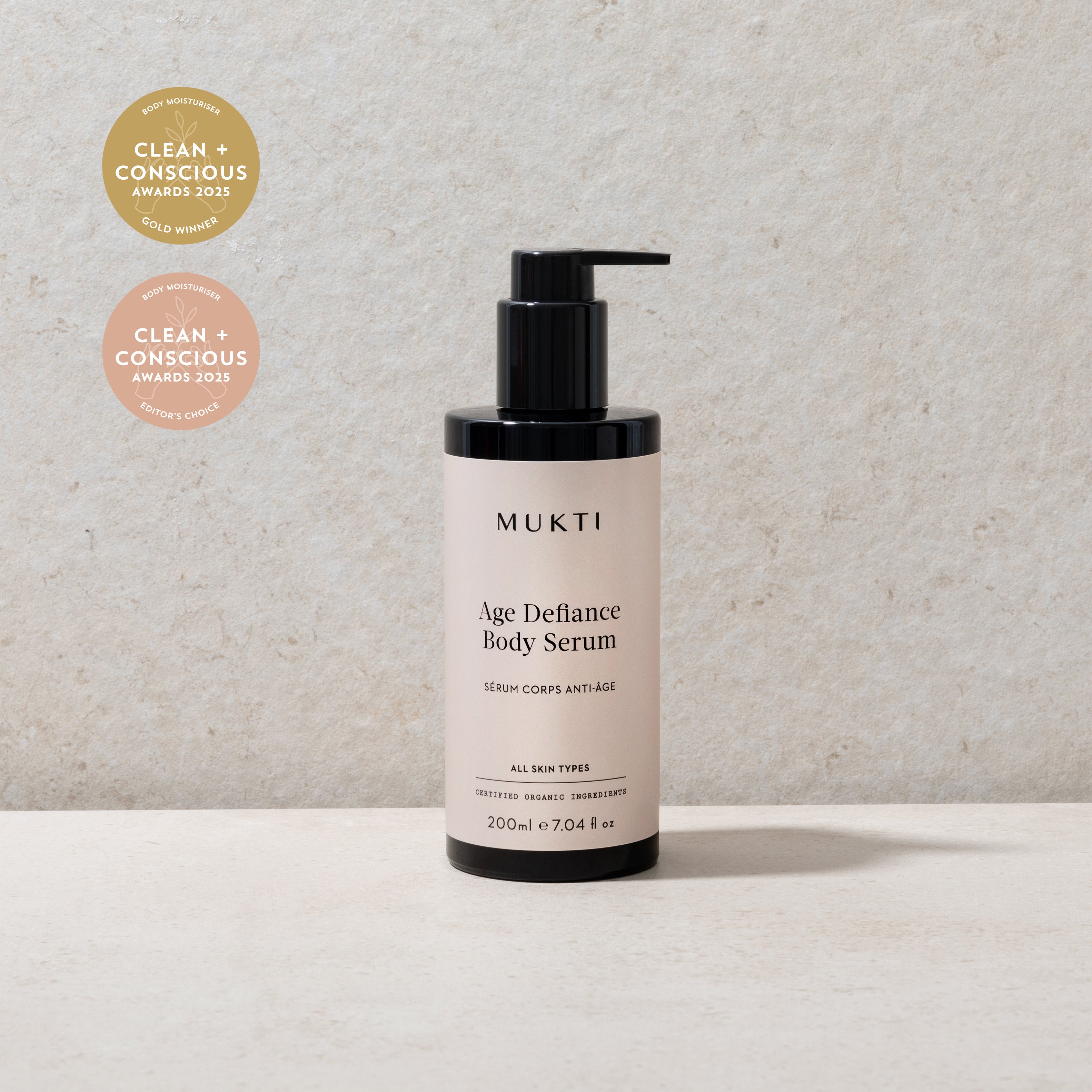
Taking a mindful, consistent approach to your routine can help support a more balanced and resilient complexion. At Mukti Organics, our goal is to empower your skin with carefully formulated products designed to nourish and protect.
Explore our curated range for sensitive skin to discover products that provide the gentle care your barrier deserves or reach out to us if you need help curating the right skincare for your sensitive skin.

Author
Written by Mukti, Founder & Formulator







Leave a comment
This site is protected by hCaptcha and the hCaptcha Privacy Policy and Terms of Service apply.