
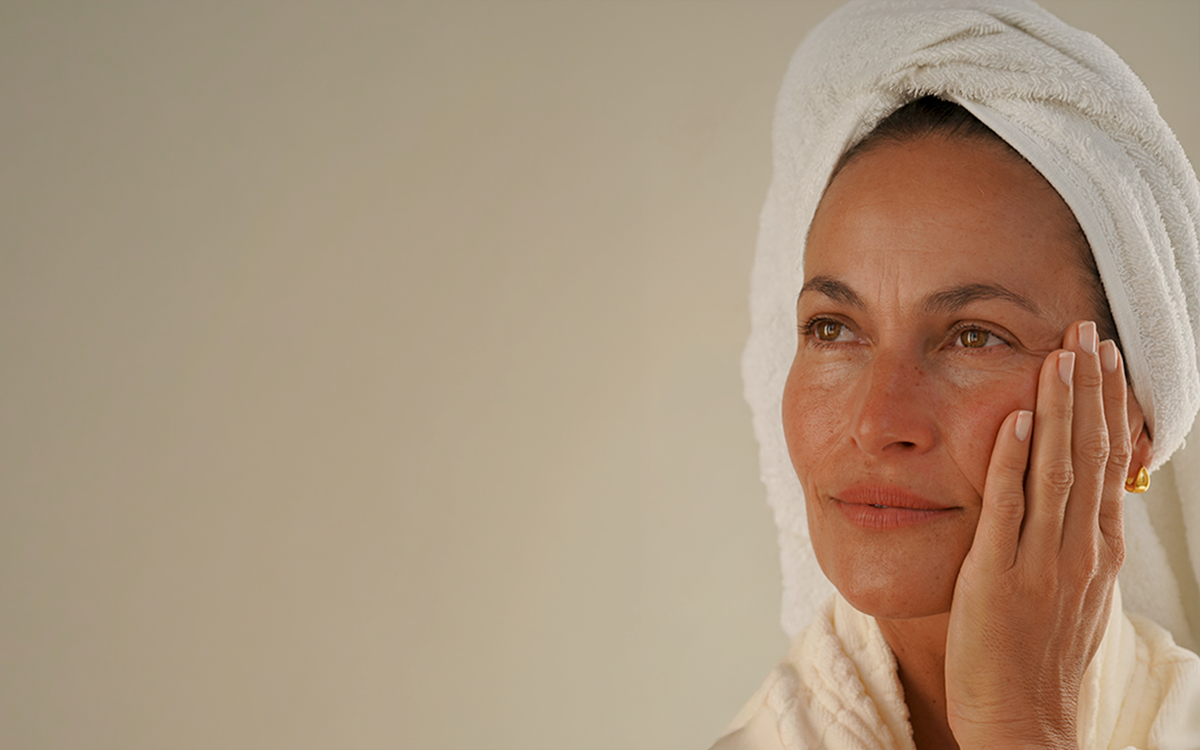
Rosacea and Skin Redness: why your skin reacts and how to care for it
Understanding flushing, menopause and the skincare that helps support a calmer complexion.
I spent years having what I considered to be “normal” skin so I was ill prepared for my own skin suddenly becoming reactive. The journey has taught me a lot in relation to dealing with temperamental skin.
That experience became part of my recent SubStack piece, Menopause Face: When your skin suddenly changes. It also reminded me how easily we dismiss changes in our skin until they become impossible to ignore.
When your face feels hot, looks persistently red or stings when you apply products you once tolerated, it’s worth paying attention. The first step is understanding what’s happening.
Is it rosacea or simply irritated skin?
Rosacea is a chronic inflammatory condition that commonly affects the centre or t-zone area of the face also extending out onto the cheeks.
You may notice frequent flushing, persistent redness, small visible vessels or bumps that resemble acne pustules. Some people also experience burning, tightness, sensitivity or dry, gritty eyes.
It can affect all skin tones, although redness may be harder to recognise in deeper skin tones.
Not all facial redness is rosacea. Irritation, contact dermatitis and other skin conditions can look similar. If redness persists or keeps returning, see your GP or dermatologist for a diagnosis before trying to treat it yourself.
Rosacea also doesn’t follow a predictable progression through fixed stages. Your symptoms and treatment needs may be quite different from someone else’s.
Why does rosacea sometimes appear during menopause?
Hot flushes and rosacea are different, but the overlap can be confusing when your face is suddenly warm and flushed.
Researchers are investigating the relationship between hormones and rosacea. One small study of women in perimenopause found that lower oestradiol levels were associated with more severe flushing and redness. Other research points to a more complicated relationship.
We cannot simply say that low oestrogen causes rosacea, or that hormone therapy will resolve it. What we can do is recognise that new, persistent facial redness deserves its own assessment rather than being dismissed as another menopausal symptom.
Start by understanding your triggers
Heat, sunlight, alcohol, spicy food, stress and exercise can trigger rosacea flares. Your triggers may be individual so you may not need to eliminate everything on the list.
Keep a simple record of what was happening before a flare. Were you exercising in the heat? Had you taken a hot shower? Introduced a new product?
Small adjustments can help. Exercise during cooler hours, allow hot drinks to cool and turn down the shower temperature to warm especially on the face. The aim is to find manageable changes that suit your life.
My approach to skincare for rosacea
When skin becomes unpredictable, the temptation is to keep adding something to fix it. Another serum. An exfoliant to smooth the roughness. A stronger active for the bumps.
I would start noticing how your skin feels after cleansing and moisturising. Comfortable? Tight? Hot? Stinging?
A gentle cleanser, a moisturiser you tolerate and daily sun protection form the foundation. Additional products should earn their place.
1. Cleanse gently
Our Gentle Melt Cleansing Balm is an oil based cleanser that removes makeup, sunscreen and daily impurities. It transforms into a milky emulsion when water is added, leaving skin feeling soft and nourished.
Use light fingertip movements and lukewarm water. If you use a soft flannel or cleansing mitt to remove residual balm, keep pressure minimal. Avoid repeated wiping or scrubbing, and rinse thoroughly.
The way you cleanse matters just as much as the product you choose.
I would also recommend cleansing once a day at the end of the day and instead opt for a warm flannel gently pressed onto the face as part of your morning routine.
2. Add barrier support if your skin tolerates it
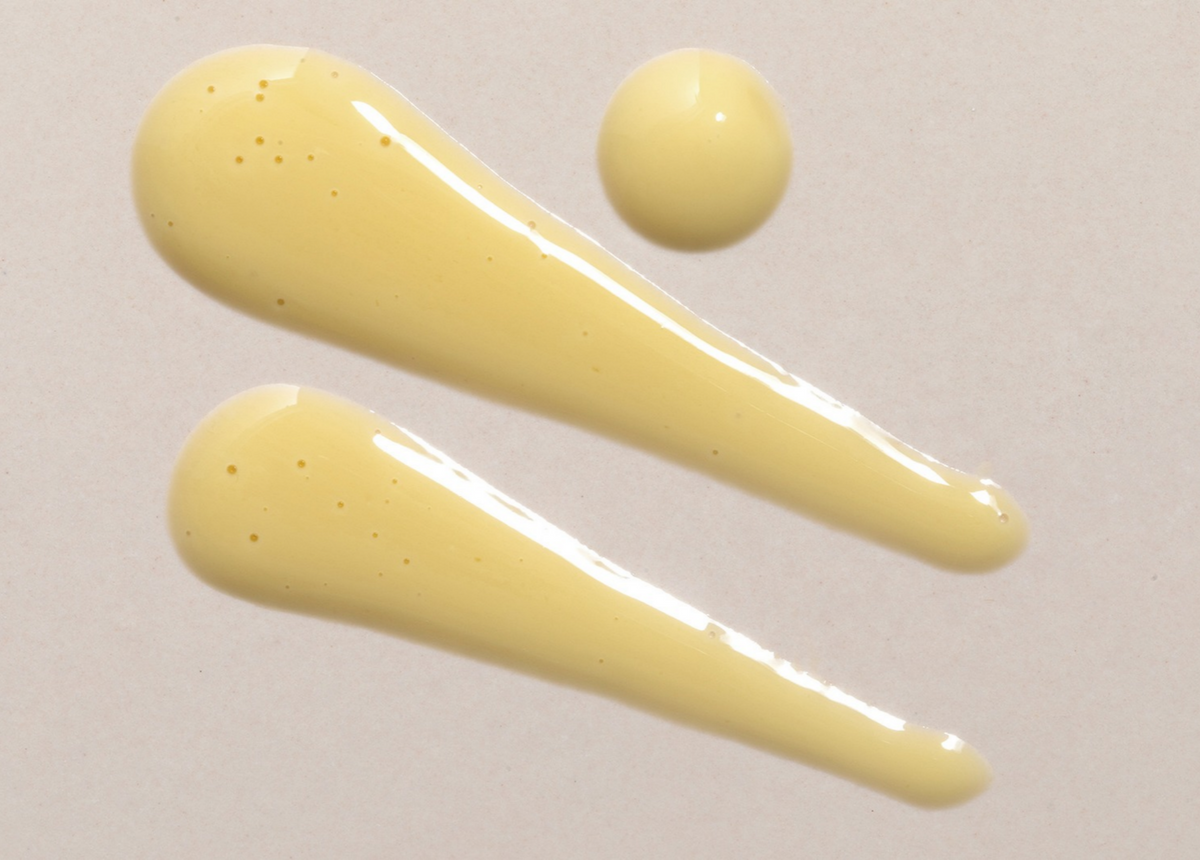
Our Barrier Repair Serum is formulated for reactive and sensitised skin, combining hydrating ingredients with antioxidants and botanical extracts. Panthenol, or provitamin B5, is included to support hydration and skin comfort.
I would consider this when dryness and sensitivity are your main concerns. Gently press it onto the skin before moisturising.
A serum is optional. If your face is actively stinging, begin with the essentials you already tolerate rather than introducing several new products together.
3. Moisturise consistently
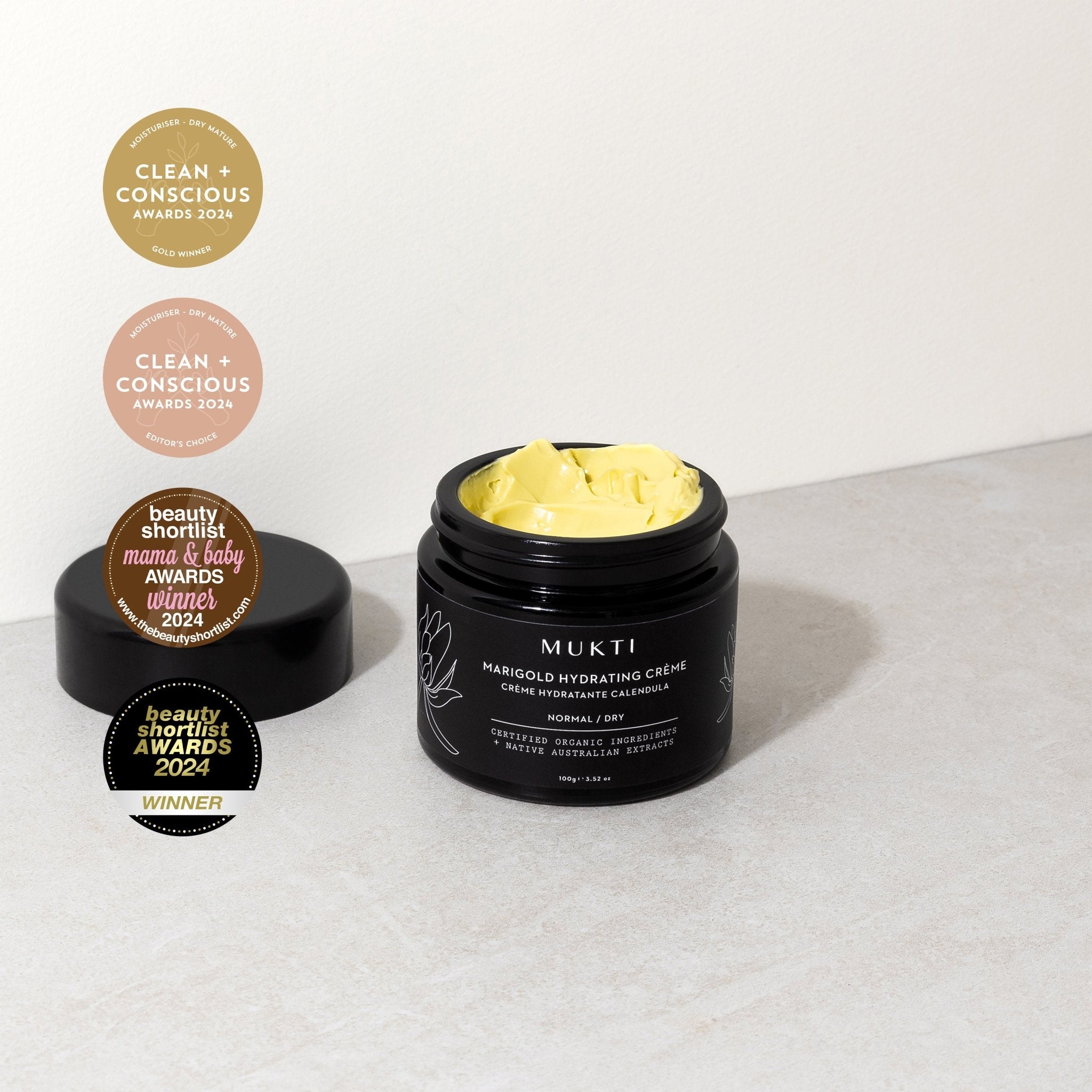
Our Restorative Moisturiser provides hydration with ingredients including glycerin, sodium hyaluronate, jojoba oil and shea butter. It is designed to support sensitive skin and a resilient moisture barrier.
I would choose it for someone seeking daily nourishment with a lighter feel. It’s also free of essential oils.
Individual tolerance still matters. Botanical ingredients can cause reactions too, so test a new product on a small area before using it across your face. Stop if it causes irritation.
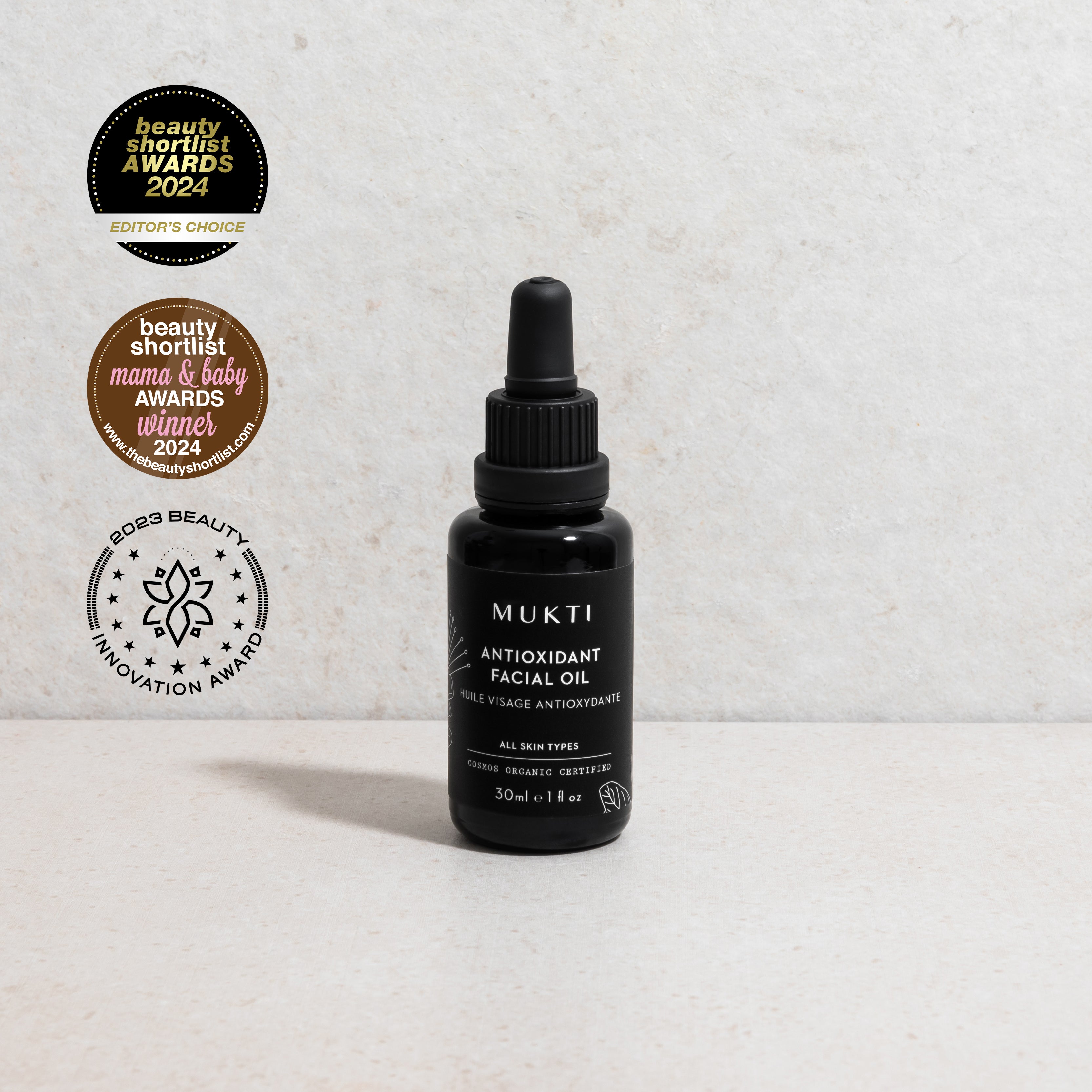
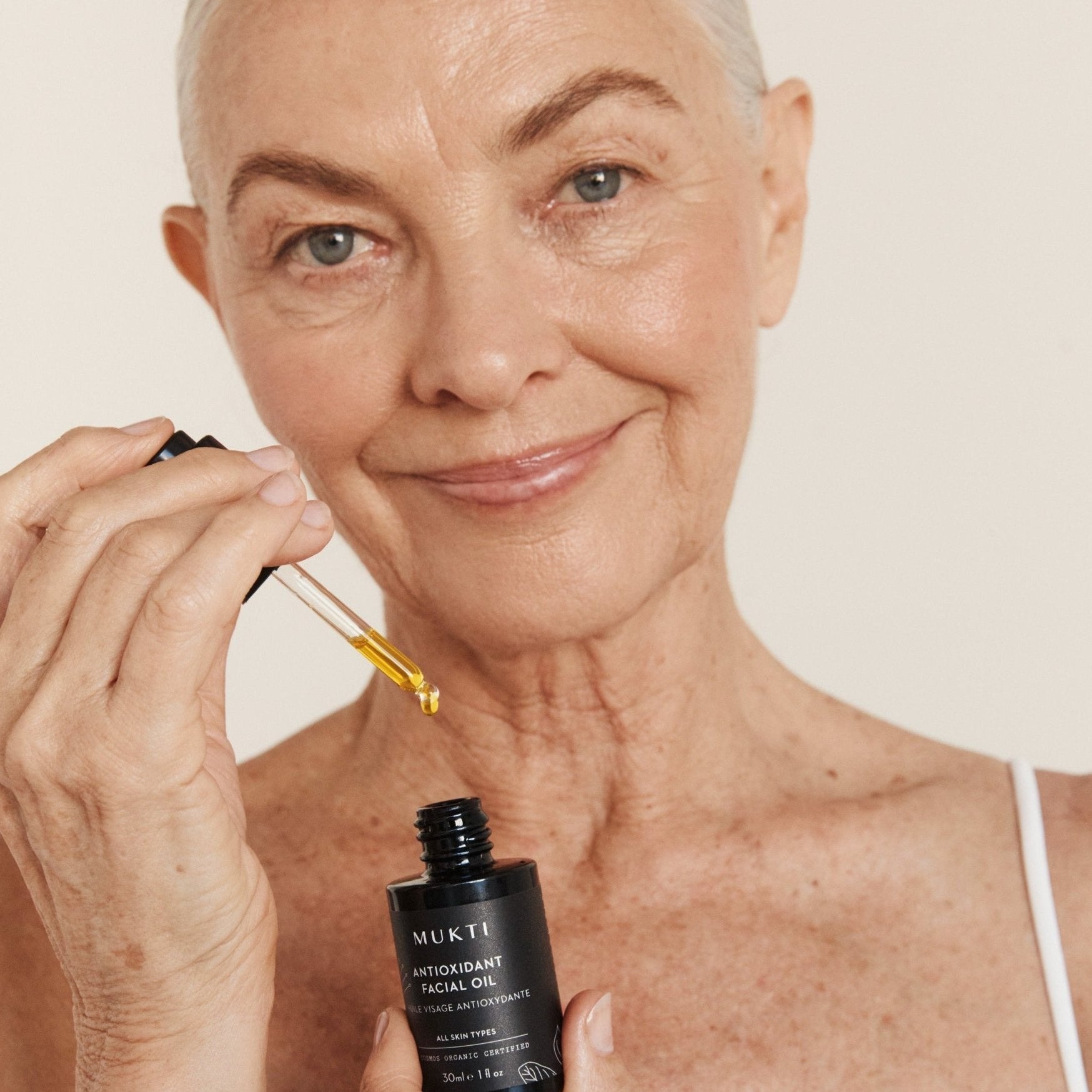
I would also look to add in the Antioxidant Facial Oil for additional hydration or if your preference is for an oil as opposed to a moisturiser. Sometimes interpersing between a moisturiser and an oil can be helpful.
4. Protect against UV exposure
Sun exposure is a common rosacea trigger, so sun protection belongs in your daily routine.
Our Daily Moisturiser with Sunscreen Solar Veil SPF30 combines hydration with broad spectrum mineral sun protection and contains 22% zinc oxide.
If your skin tolerates it, use it as your final morning skincare step, following the label for application and reapplication. A hat and shade also help. For extended outdoor exposure, reapply as necessary.
Where does Vitamin B Elixir fit?
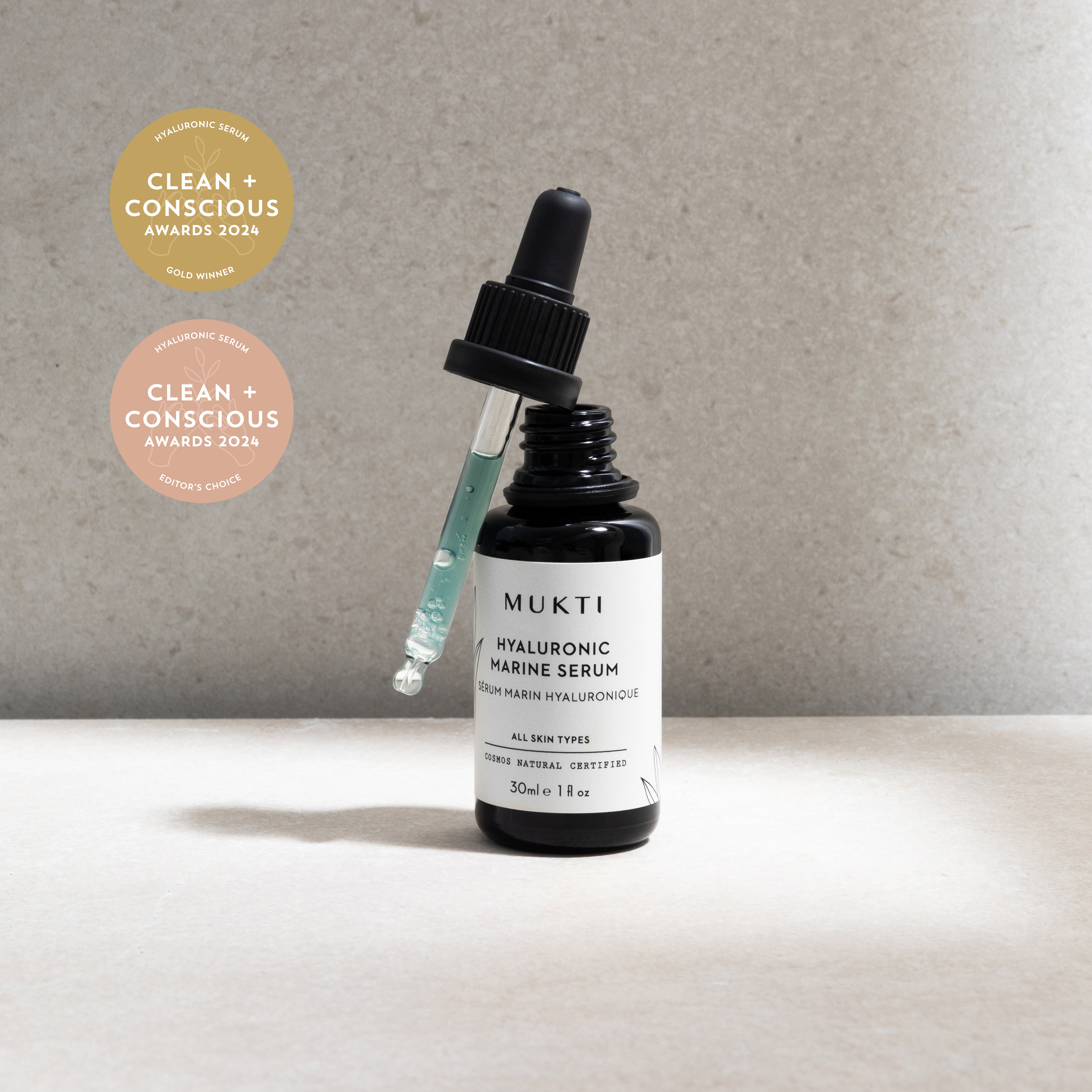
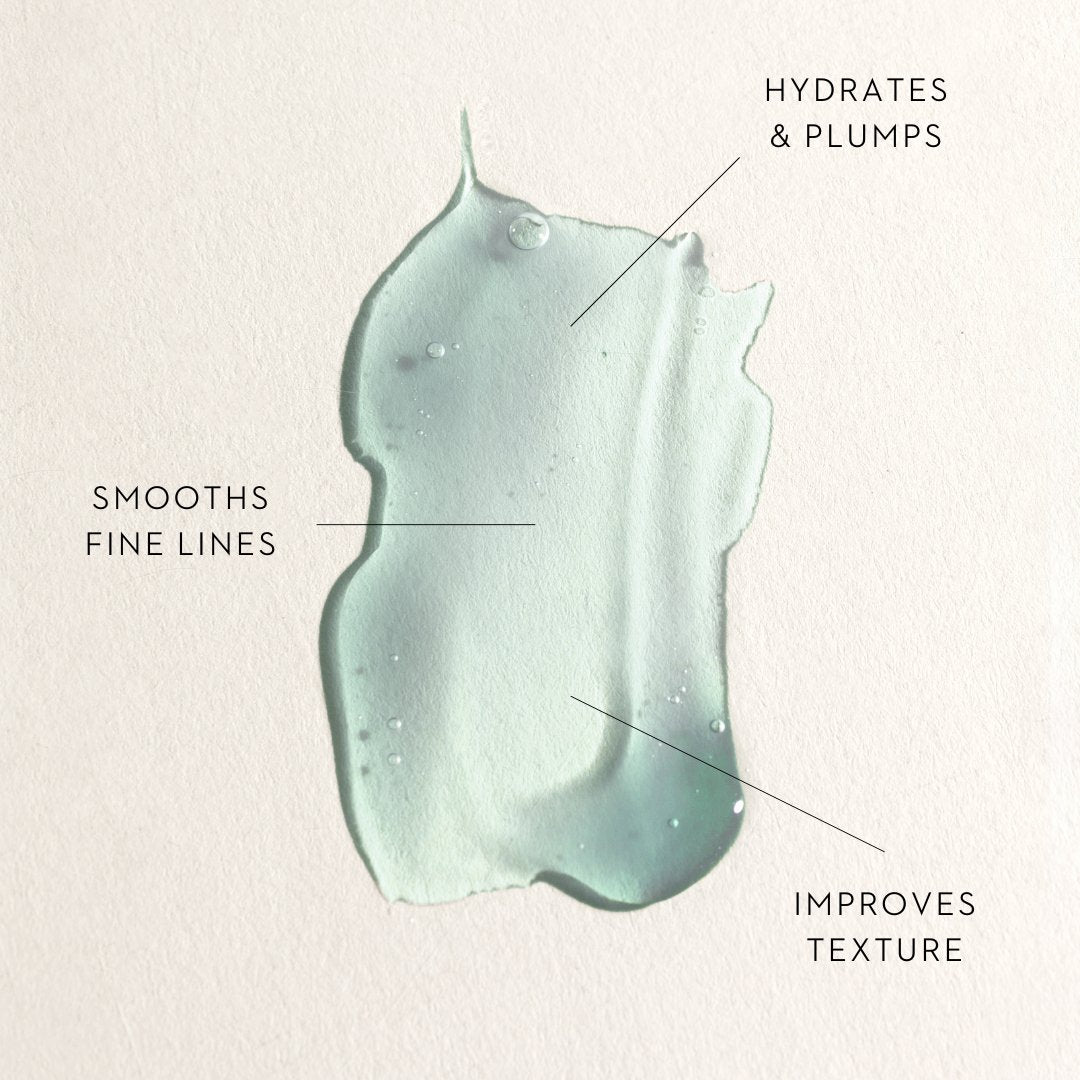
Our Vitamin B Elixir combines niacinamide with panthenol, hyaluronic acid and botanical extracts to support hydration, the moisture barrier and more even looking skin.
It is an option once your skin is comfortable and stable. You can layer it with Barrier Repair Serum. Start with the serum that best suits your concerns and introduce it gradually.
What should you pause during a rosacea flare-up?
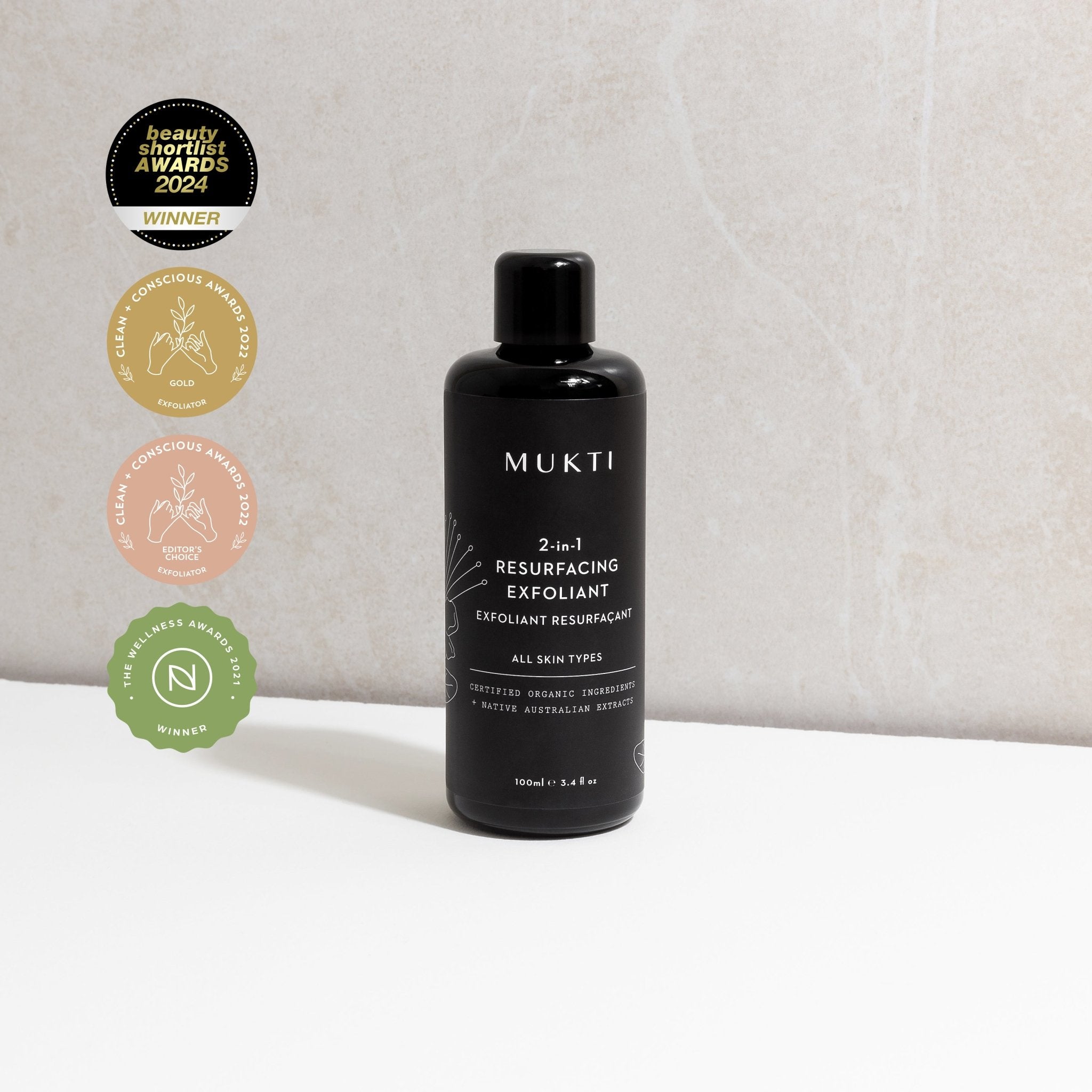
I would put scrubs, exfoliating acids, dermal rolling and newly introduced retinoids aside while skin is inflamed. Avoid facial brushes, vigorous massage and treatments that generate excessive heat.
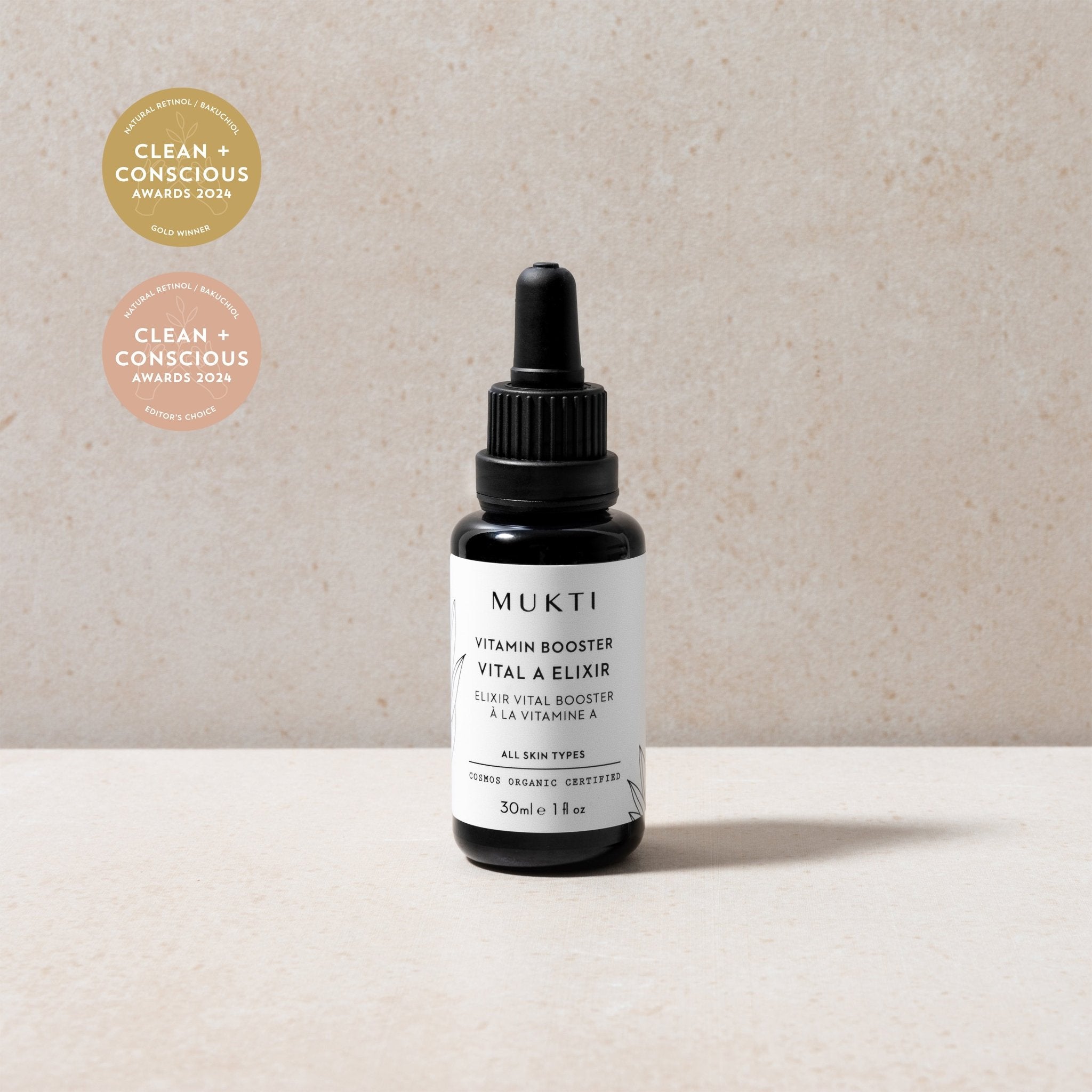
Vitamin A and vitamin C can have a place in a broader skincare routine, but actively irritated skin needs an approach guided by tolerance. Don’t push through burning because you think it means a product is working.
When skincare needs professional support
Skincare can improve comfort and support your barrier, but it cannot cure rosacea or remove established facial vessels.
Depending on your symptoms, a dermatologist may recommend prescription treatment or vascular laser and light treatments for persistent redness and visible vessels.
A simple place to begin
For a Mukti routine, start with Gentle Melt Cleansing Balm, Restorative Moisturiser and a sunscreen your skin tolerates. Add Barrier Repair Serum if you need extra hydration and your skin welcomes it.
You can explore our Sensitive and Rosacea Routine for further guidance.
Give your skin a consistent routine, pay attention to its response and seek help when redness persists.
Author
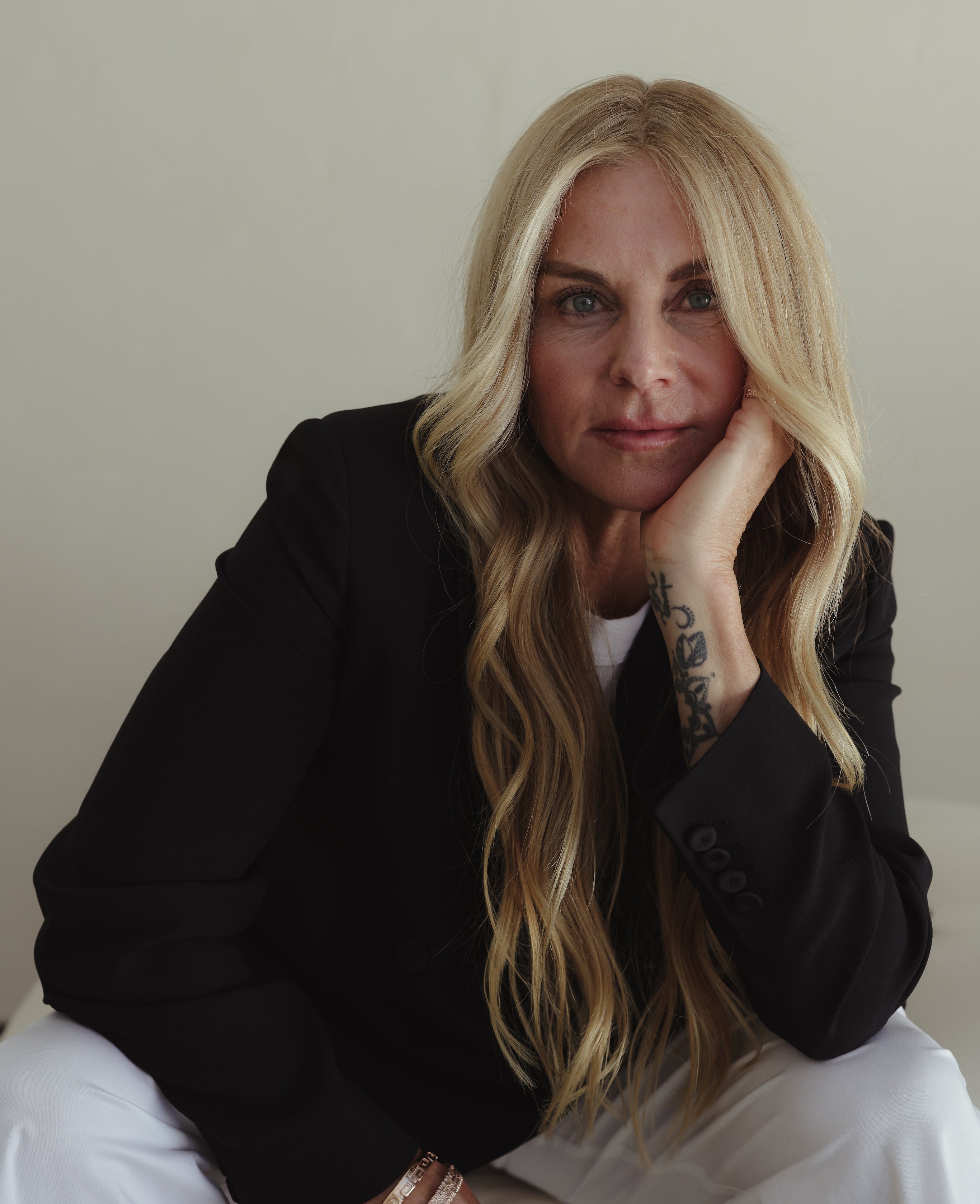
Written by Mukti, Founder & Formulator






Leave a comment
This site is protected by hCaptcha and the hCaptcha Privacy Policy and Terms of Service apply.