

PCOS (Now PMOS) and Your Skin: What to Look For and How to Support It
September marks PCOS (Polycystic Ovarian Syndrome) Awareness Month, shining a light on a condition that affects around one in eight women worldwide but often goes undiagnosed for years.
PCOS was recently renamed Polyendocrine Metabolic Ovarian Syndrome (PMOS) reflecting the fact that ovarian cysts are not required for a diagnosis. Symptoms can affect the body in multiple ways from menstrual cycles and fertility to unwanted hair growth, weight fluctuations and skin issues.
For many women, it’s the changes to their skin that can be among the most visible and frustrating. Persistent breakouts, increased oiliness, congestion and lingering pigmentation are all commonly associated with PMOS, while others may also notice increased facial hair or thinning hair on the scalp.
These changes are often linked to higher levels or activity of androgens, which can stimulate the skin’s oil glands and contribute to excess sebum, clogged pores and acne.
Understanding how PMOS can show up in the skin is an important first step in knowing what to look for and how to support your skin more effectively.
What are the most common skin symptoms of PMOS?
Because hormones can influence oil production, inflammation and hair growth, PMOS can show up in several visible ways.
Hormonal acne
One of the most common skin concerns associated with PMOS is persistent acne.
Breakouts often appear around the chin, jawline and lower face although they may also affect the chest, shoulders and back. They can feel deeper and more inflamed than occasional blemishes and may repeatedly return in the same areas.
For some women, acne may also flare around their menstrual cycle or continue well beyond adolescence.

Increased oil production
Higher androgen activity can stimulate the sebaceous glands, leading to increased oil production. Skin may appear shinier through the day, become congested more easily or feel as though it needs constant cleansing.
It can be tempting to respond with harsh cleansers or aggressive exfoliation, but stripping the skin can compromise the barrier and leave it feeling both oily and dehydrated.
Congestion
Excess sebum can combine with dead skin cells and contribute to clogged pores, blackheads and whiteheads. This is why PMOS prone skin can often feel congested even when active breakouts are not especially severe.
Post-breakout pigmentation
Frequent inflammation can also leave behind visible marks after a blemish has healed.
These may appear red, brown or purple depending on your skin tone and can make the complexion look uneven long after active acne has subsided.
Increased facial or body hair
Some women with PMOS experience increased coarse or dark hair growth, particularly around the chin, upper lip, jawline, chest or abdomen.
This is known as hirsutism and is another common way increased androgen activity can present.
Thinning hair on the scalp
At the same time, PMOS can contribute to thinning hair on the scalp. You may notice a widening part, reduced density around the hairline or more shedding than usual.
If you are experiencing several of these symptoms together, particularly alongside irregular periods or other hormonal changes, it may be worth speaking with your GP or healthcare practitioner.
What is the best skincare for this condition?
There is no single skincare routine specifically for PMOS.
The most useful approach is to focus on what your skin is actually experiencing, whether that is excess oil, congestion, sensitivity, dehydration, inflammation or pigmentation.
For acne-prone skin in particular, a gentle, consistent and targeted routine is usually more supportive than trying to strip or aggressively exfoliate the skin.
Cleanse thoroughly
Cleansing helps remove excess oil, sunscreen, makeup and impurities that can contribute to congestion. Look for a cleanser that leaves your skin feeling clean but comfortable, rather than tight or squeaky.
If you wear makeup or sunscreen, double cleansing in the evening with an oil based cleanser such as our Gentle Melt Cleansing Balm can help remove buildup without relying on one overly harsh cleanse.

Use exfoliation strategically
Gentle exfoliation a couple of times a week can help remove dead skin cells and support clearer-looking pores. A great non physical exfoliation can be helpful in the form of an overnight treatment found in our Bioactive Renewal Night Serum which has gentle exfoliating and repair properties.
Salicylic acid is commonly used for oily and acne-prone skin because it can work within the pore, while other exfoliating acids may help improve skin texture and post-breakout marks.
The key is not to overdo it. Too much physical exfoliation can leave the skin barrier compromised, increasing redness, sensitivity and dehydration. This can lead to longer healing and repair time.
Prioritise hydration
Oily skin can also be dehydrated. In fact, many breakout-prone routines rely so heavily on drying products that the skin ends up lacking water while continuing to produce excess oil.
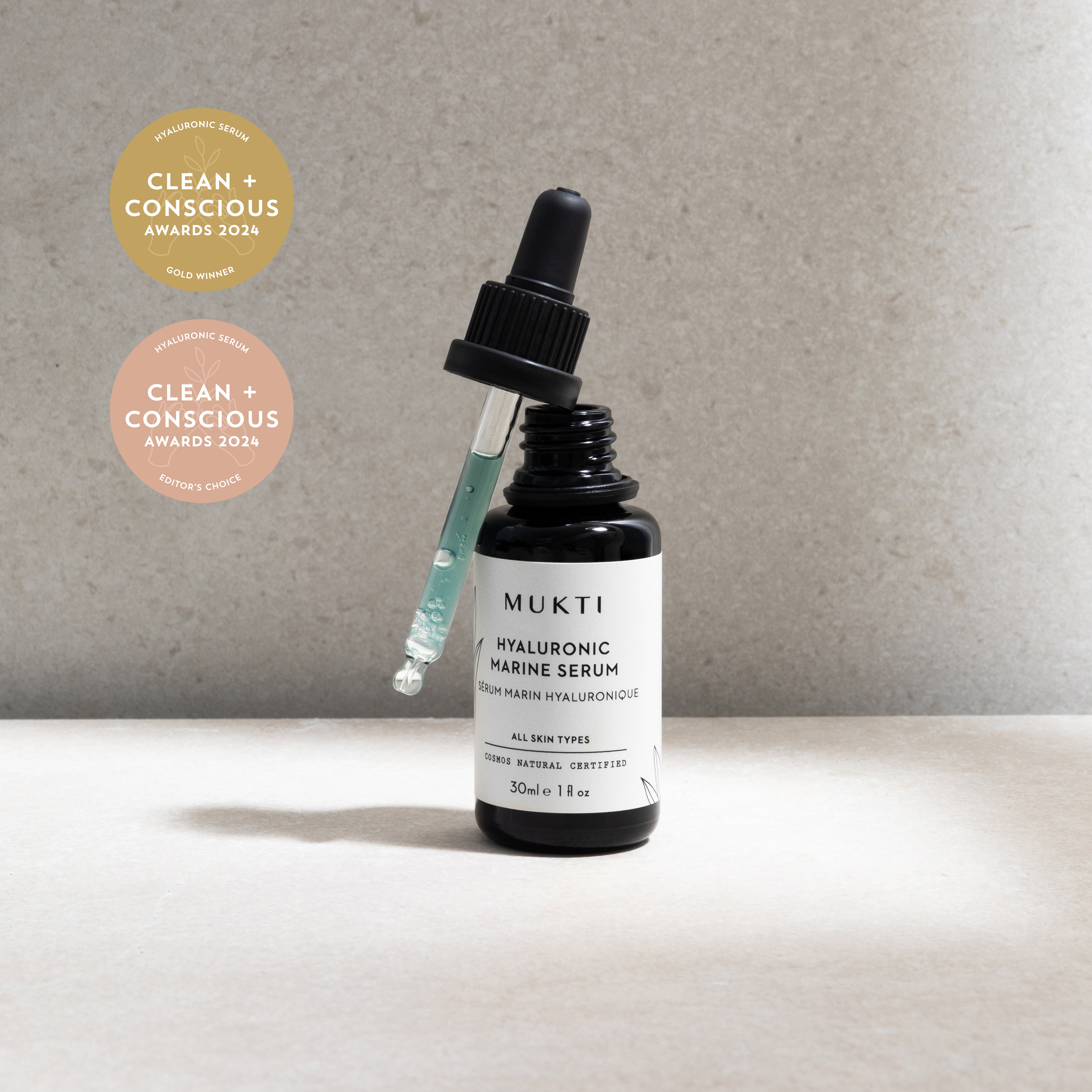
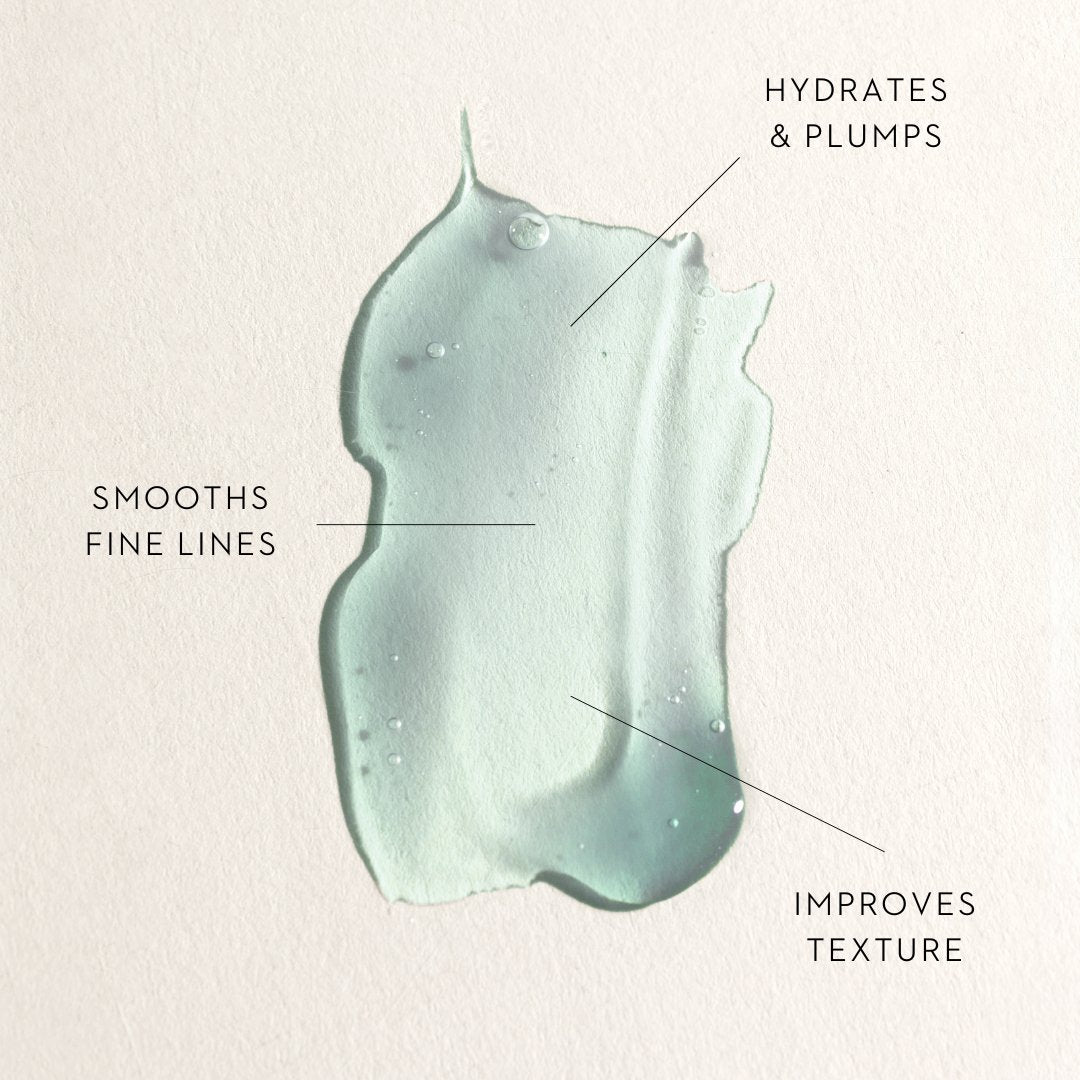
Hydrating ingredients such as hyaluronic acid and vitamin B can help to replenish moisture without the skin feeling heavy or occlusive.
Support the skin barrier
A strong skin barrier helps the skin retain moisture and better tolerate active ingredients.
Look for a routine that balances acne-targeting products with formulas that soothe, nourish and support the skin rather than making every step about controlling oil.
This becomes particularly important if your skin feels sensitive, tight or reactive alongside breakouts.
Address pigmentation gradually
If breakouts tend to leave lingering marks, ingredients that support skin renewal and even tone can be helpful over time.
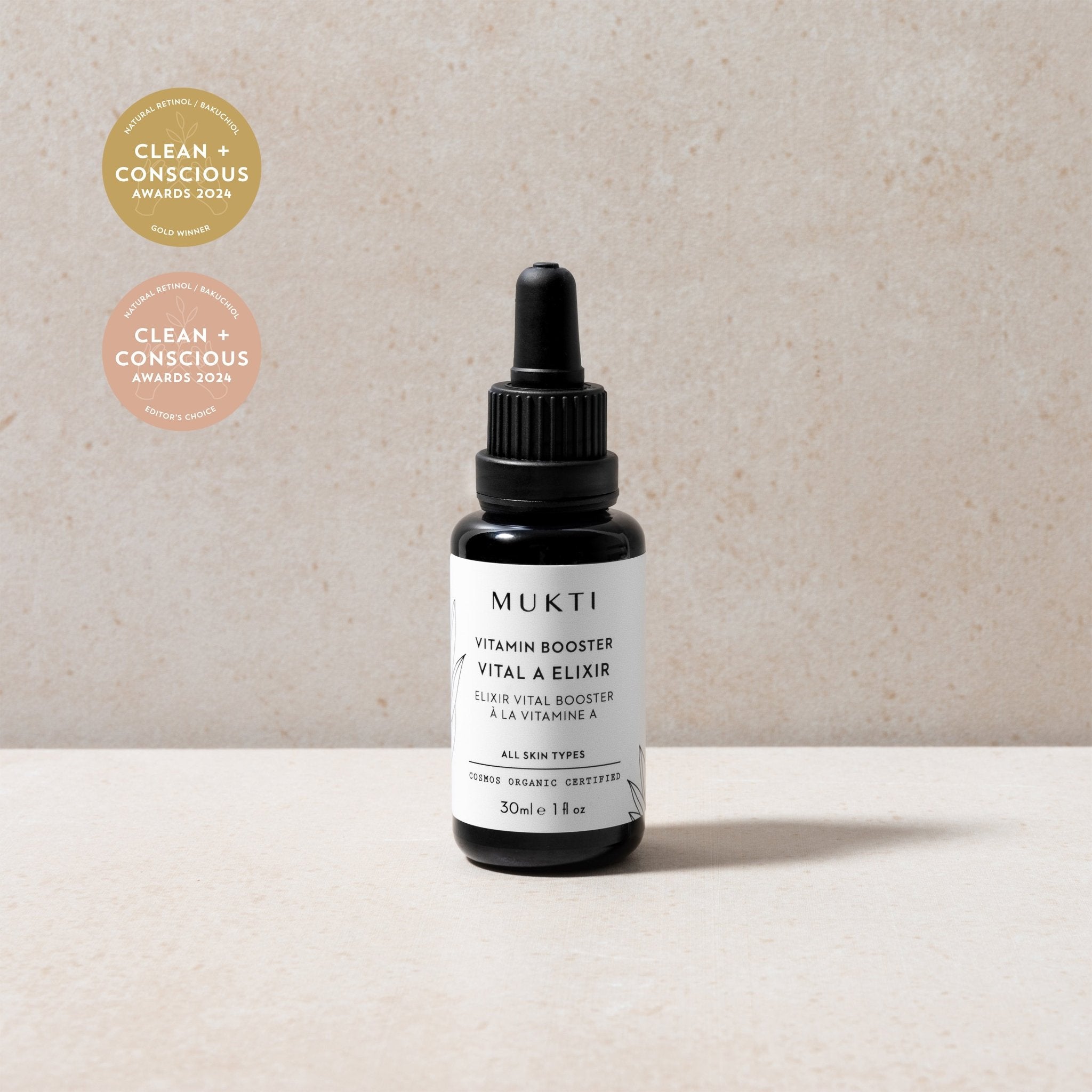
Vitamin C, Vitamin A and gentle exfoliating ingredients are commonly used to support brighter, more even-looking skin.
Consistency matters more than trying to fade pigmentation quickly which can take up to 12 weeks before visible change may occur.
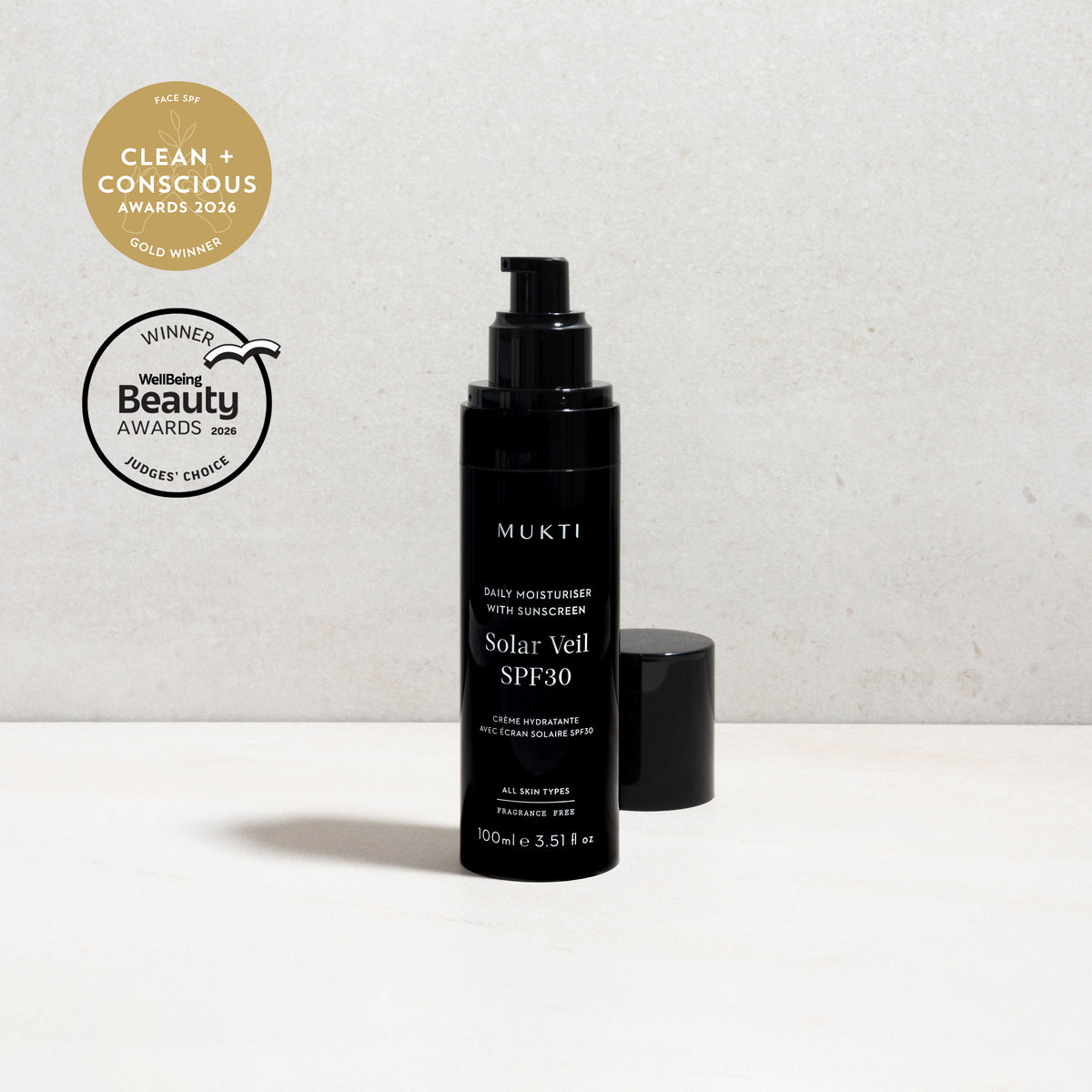
Wear SPF every day
Daily sun protection is one of the most important steps for anyone dealing with post-breakout pigmentation.
UV exposure can make existing pigmentation appear darker and more persistent, so using a broad-spectrum sunscreen each morning helps protect the skin while supporting a more even-looking complexion over time.
A considered approach to PMOS prone skin
PMOS can present differently in every woman, and the same is true of the skin.
Rather than trying to fight oiliness or breakouts with an increasingly complicated routine, focus on the fundamentals: cleanse gently, keep congestion under control, replenish hydration, protect the skin barrier and wear SPF daily.
Most importantly, pay attention to patterns.
If your skin has changed significantly, your breakouts feel unusually persistent, or several seemingly unrelated symptoms are appearing at once, your skin may be giving you a reason to look a little deeper.

Author
Written by Mukti, Founder & Formulator





%20Awareness%20Month,%20shining%20a%20light%20on%20a%20condition%20that%20affects%20around%20one%20in%20eight%20women%20worldwide%20but%20often%20goes%20undiagnosed%20for%20years.%C2%A0%0APCOS%20was%20r...)
Leave a comment
This site is protected by hCaptcha and the hCaptcha Privacy Policy and Terms of Service apply.