

Skincare Routine For Perimenopause and Menopause
Skincare Routine For Perimenopause and Menopause
Menopausal skin requires intelligent support. Declining oestrogen affects collagen production, hydration and barrier integrity – leaving skin dry, reactive and less firm. A considered skincare routine for menopause strengthens the barrier, replenishes essential lipids and supports long-term skin resilience.
The Mukti Organics approach is to incorporate certified organic botanicals combined with clinically active ingredients that support skin biology rather than override it.

Our Recommended Steps
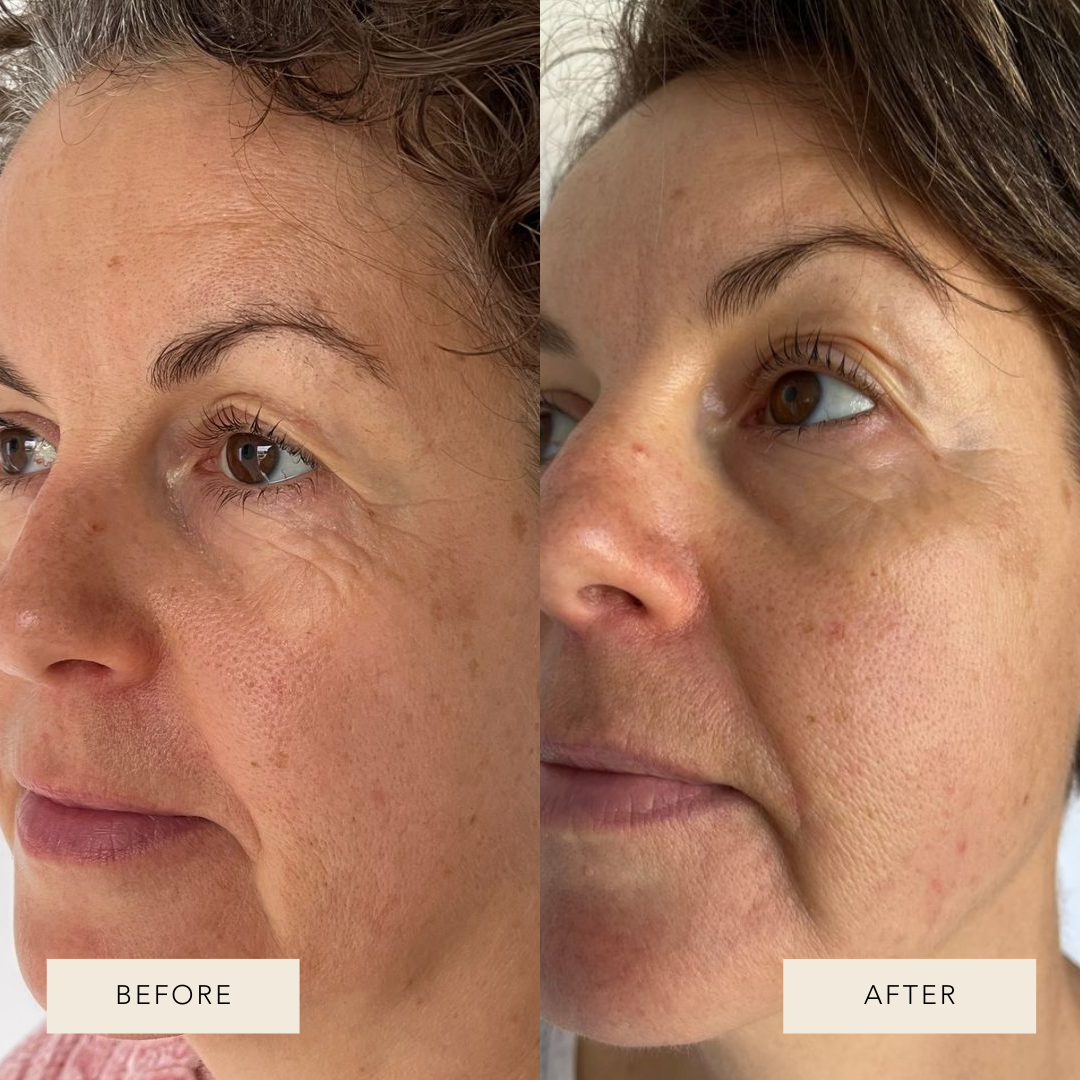
When used consistently, the below protocol can: improve skin comfort within weeks, increase hydration levels, reduce visible redness and gradually improve firmness and density.
If skin feels dry and tight cleansing in the morning may not be necessary. Splash face with warm water.
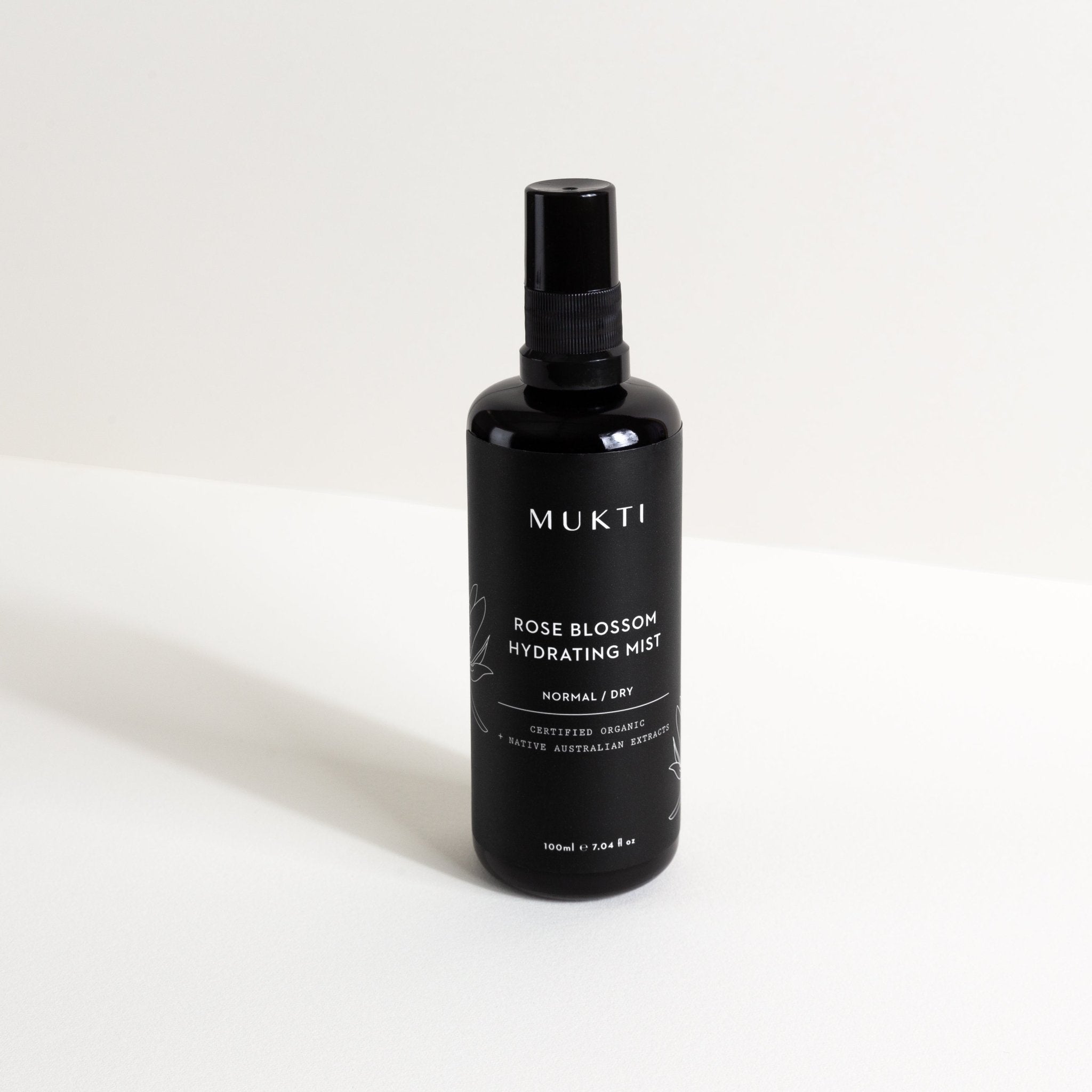
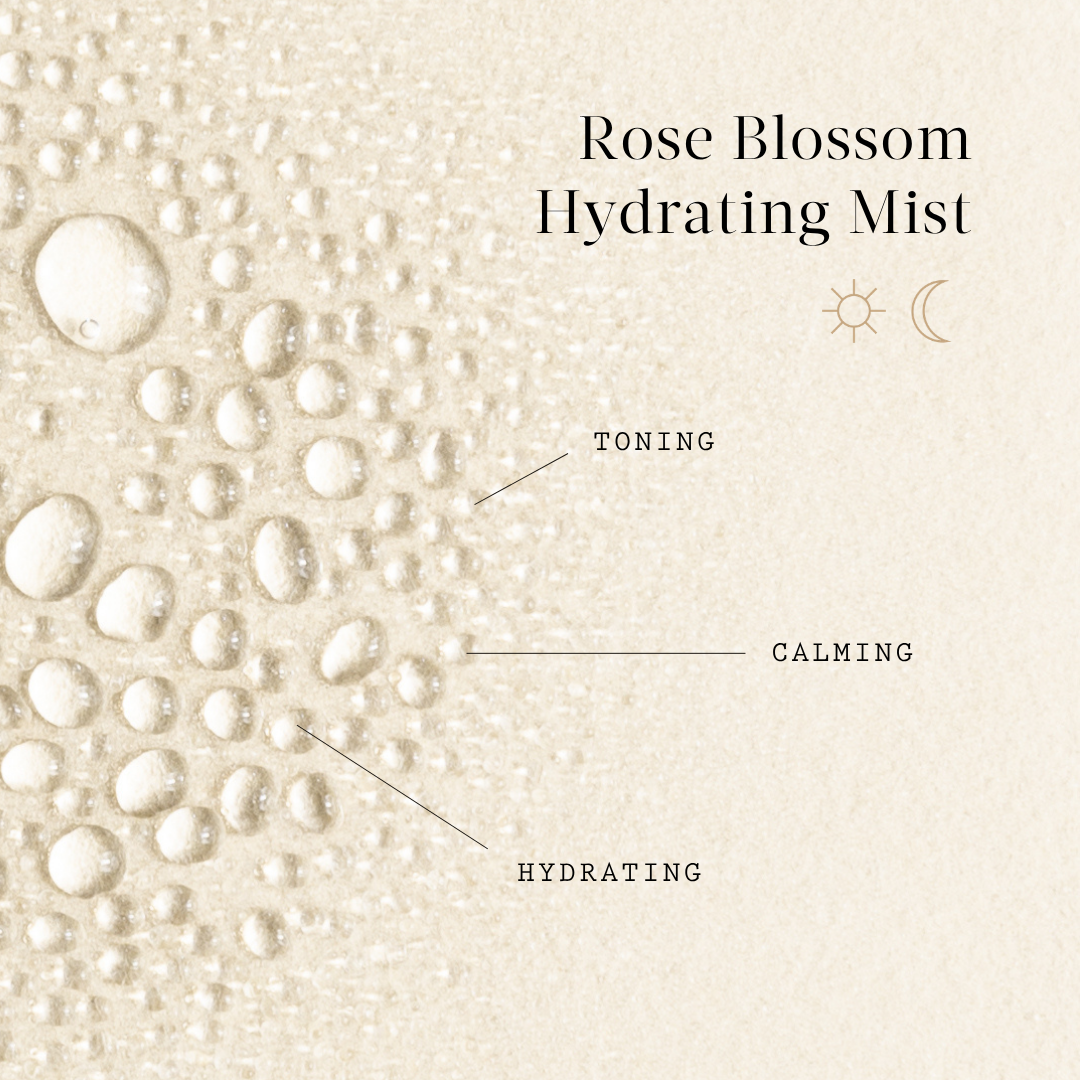
Gently mist with Rose Blossom Hydrating Mist to tone, balance, and enhance product absorption.
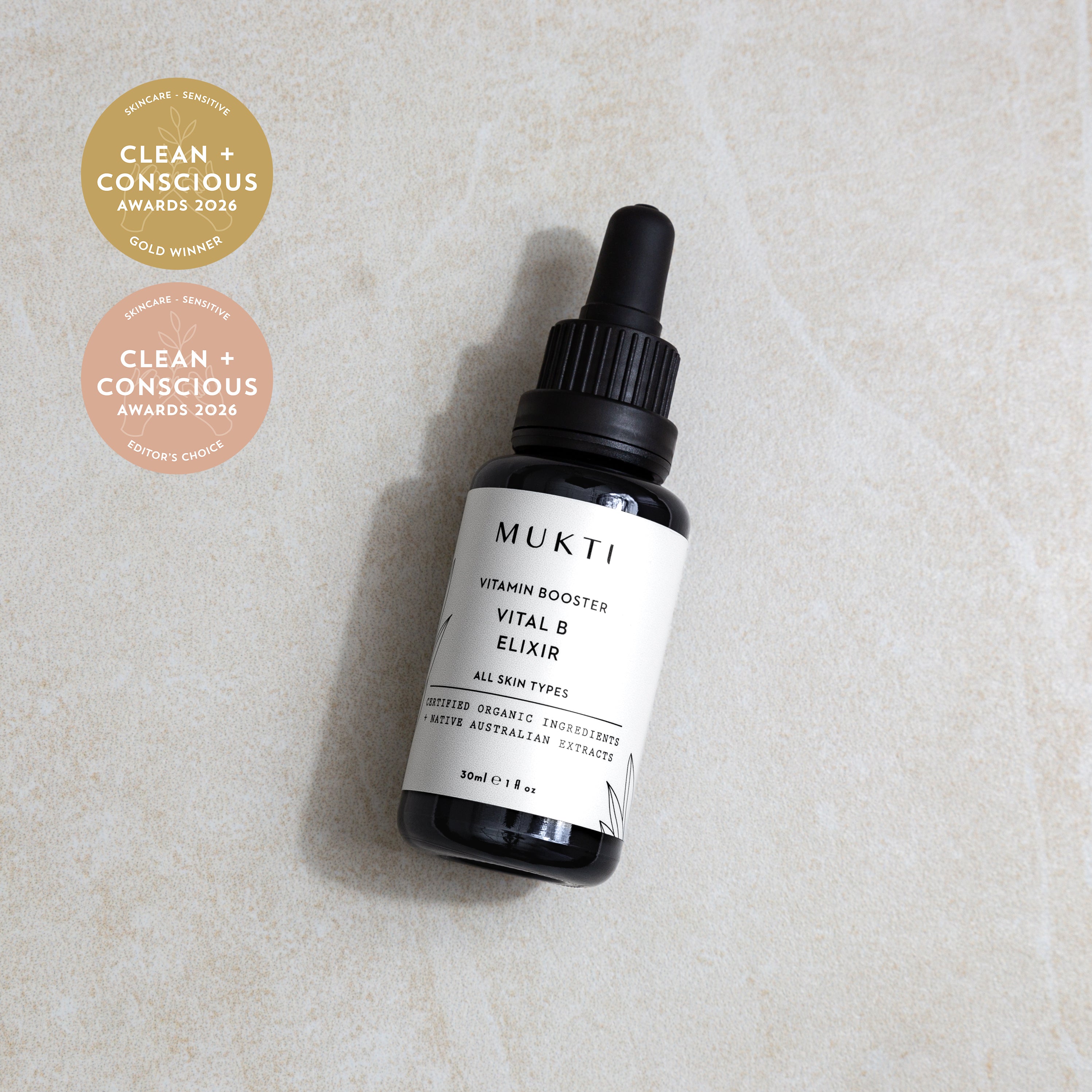
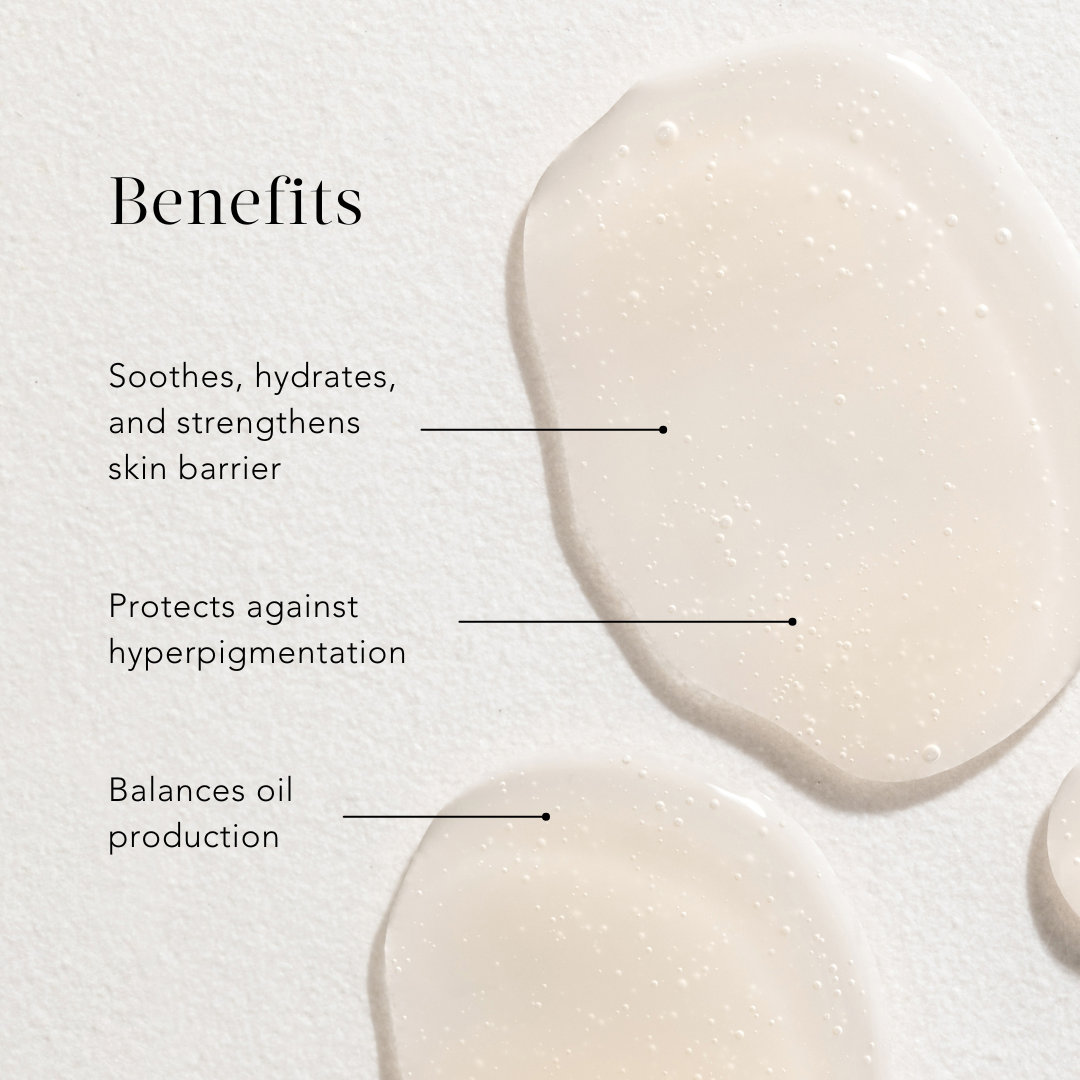
Apply Vital B Elixir if skin feels dry and parched. Rich in niacinamide and essential nutrients, to deliver hydration, calm reactivity, and help fortify the skin’s barrier.
If skin feels red or inflamed, use Barrier Repair Serum to restore balance, reduce redness, and support a resilient skin barrier. Use alone or as well as Vital B.
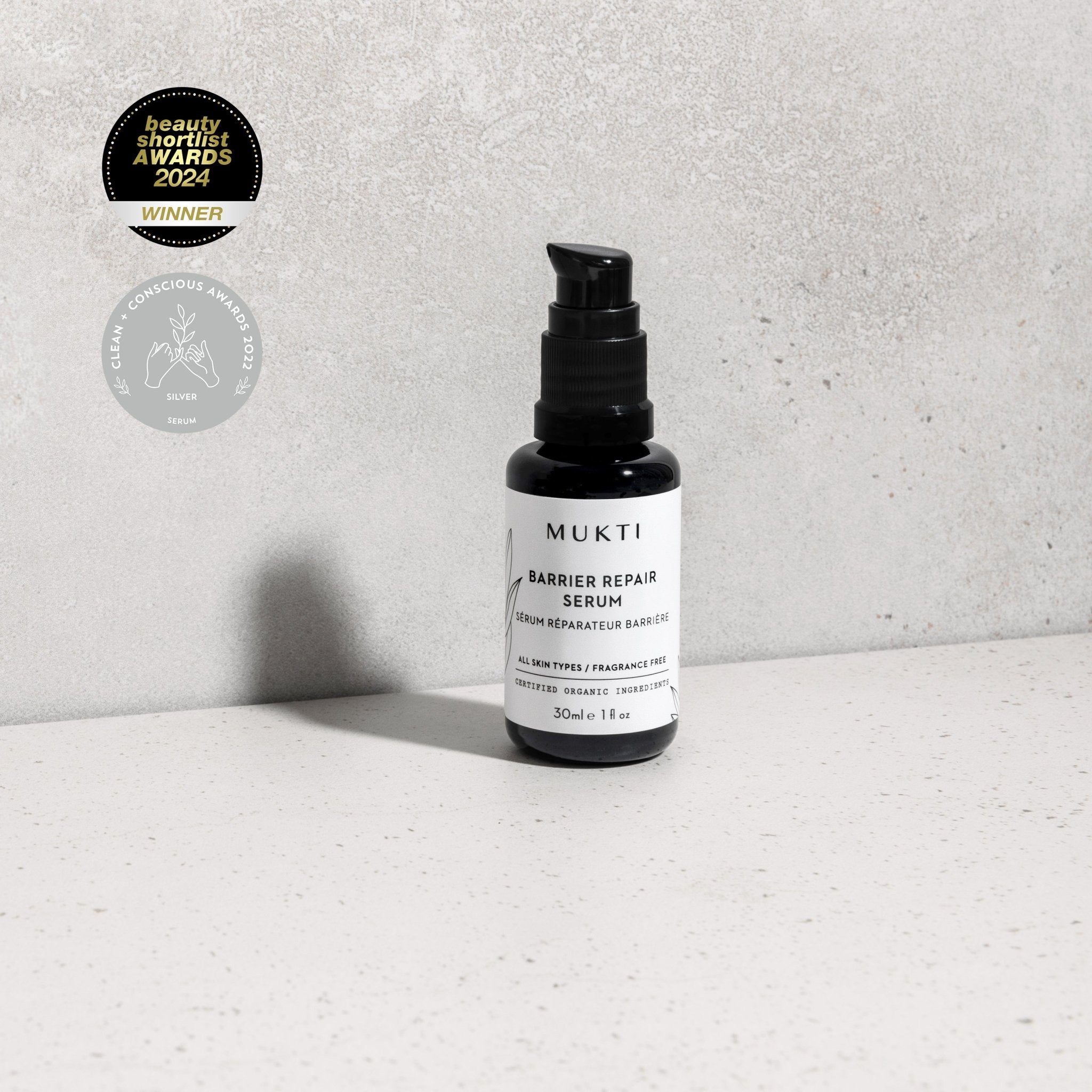
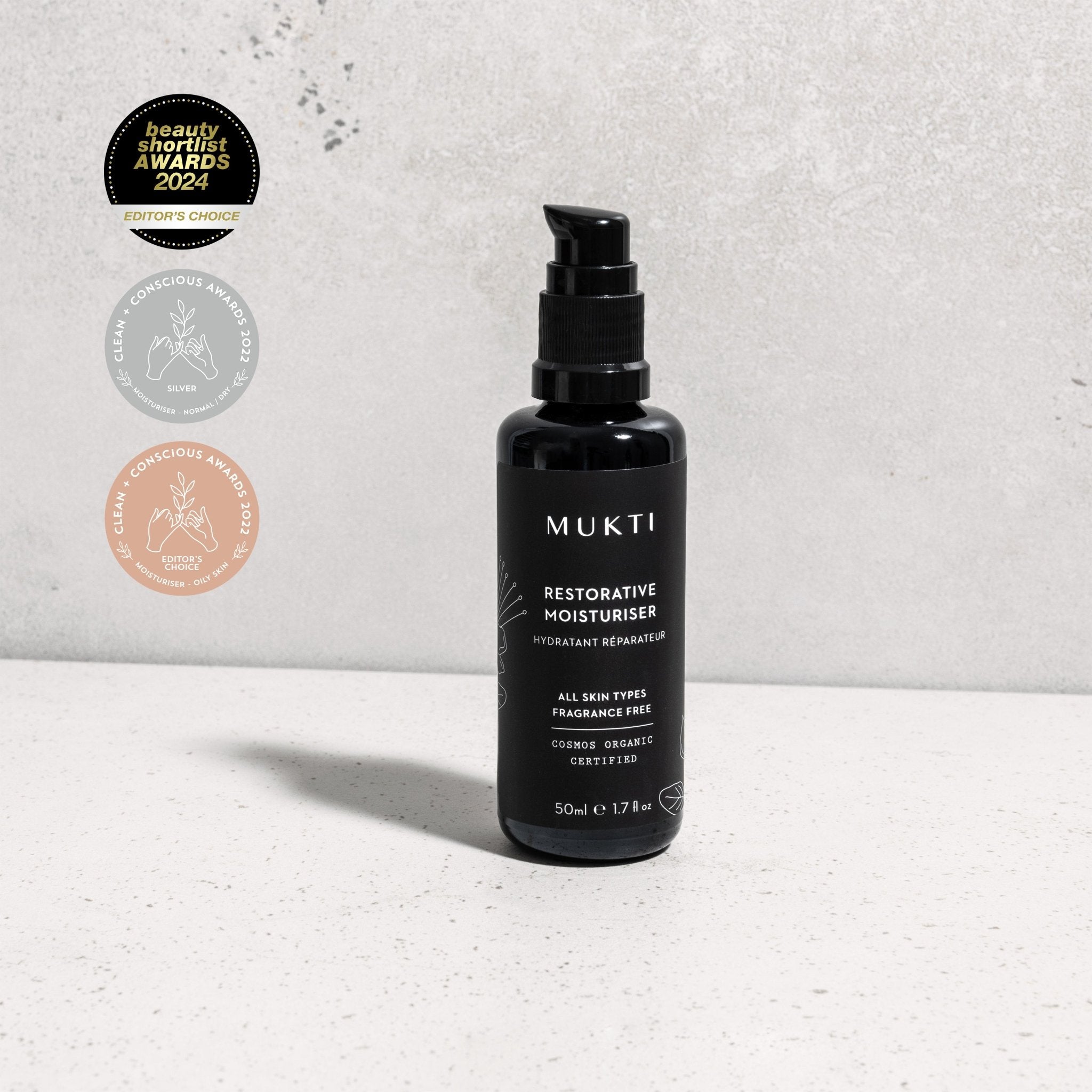
Follow with Restorative Moisturiser to hydrate, comfort, and protect sensitive skin throughout the day.
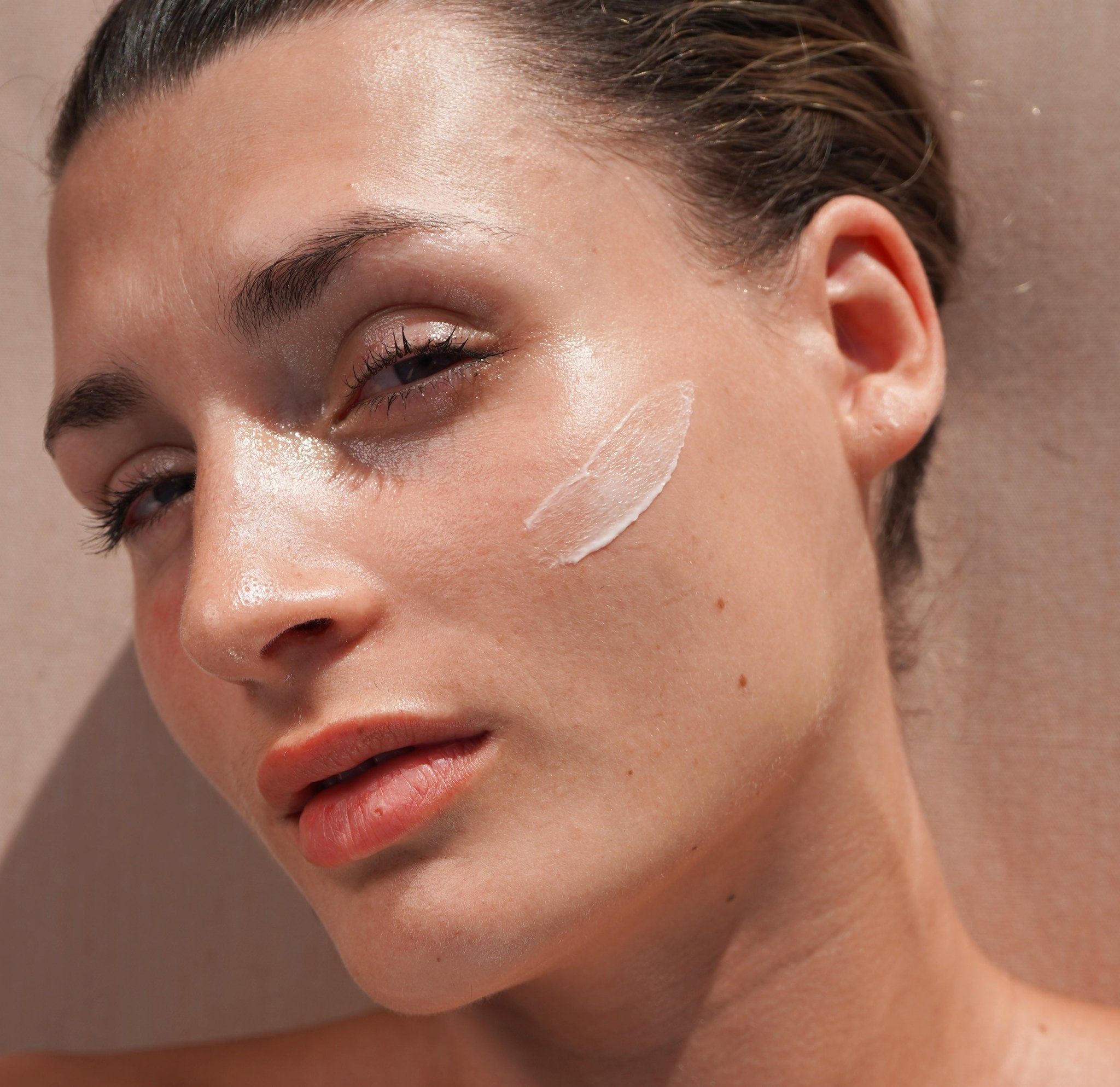
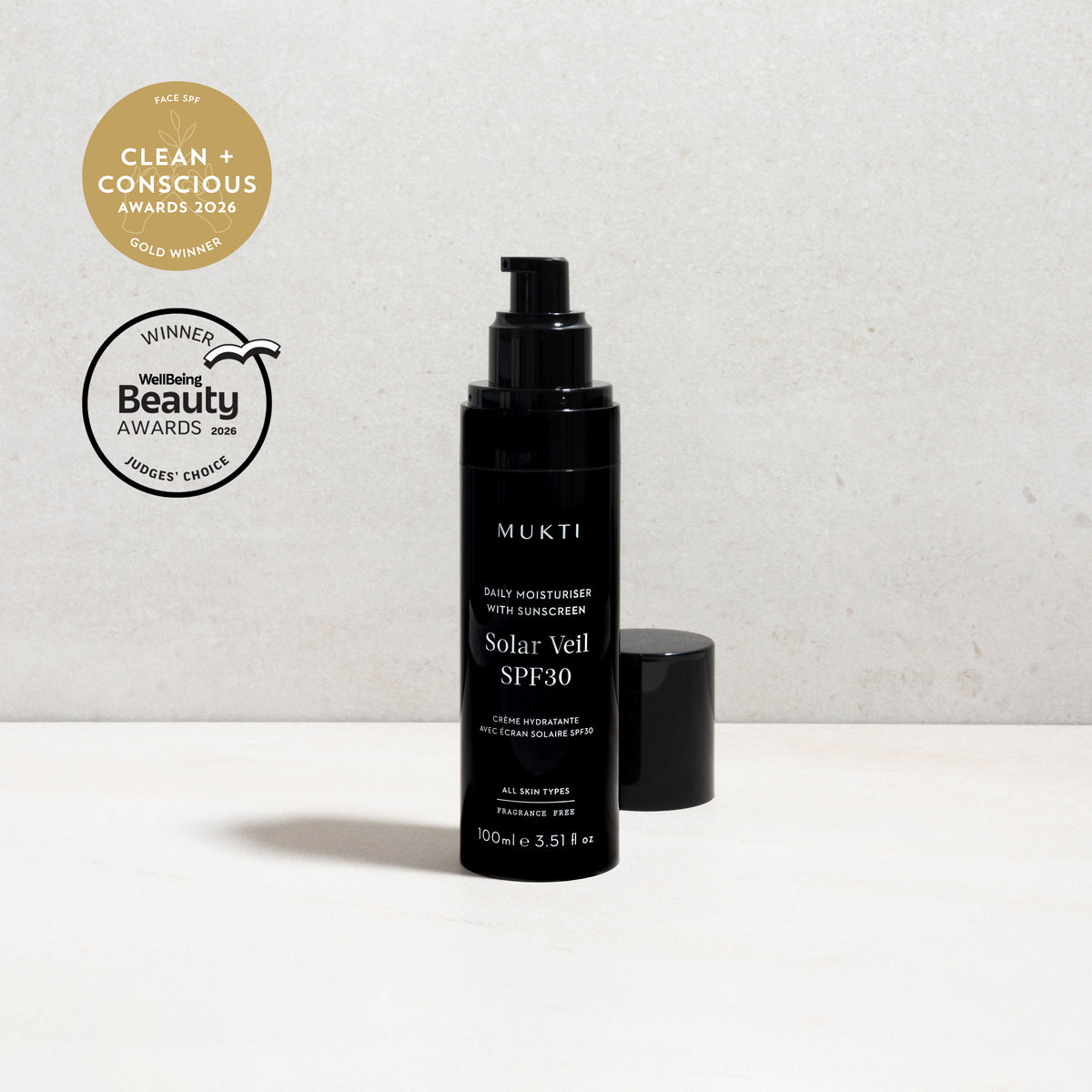
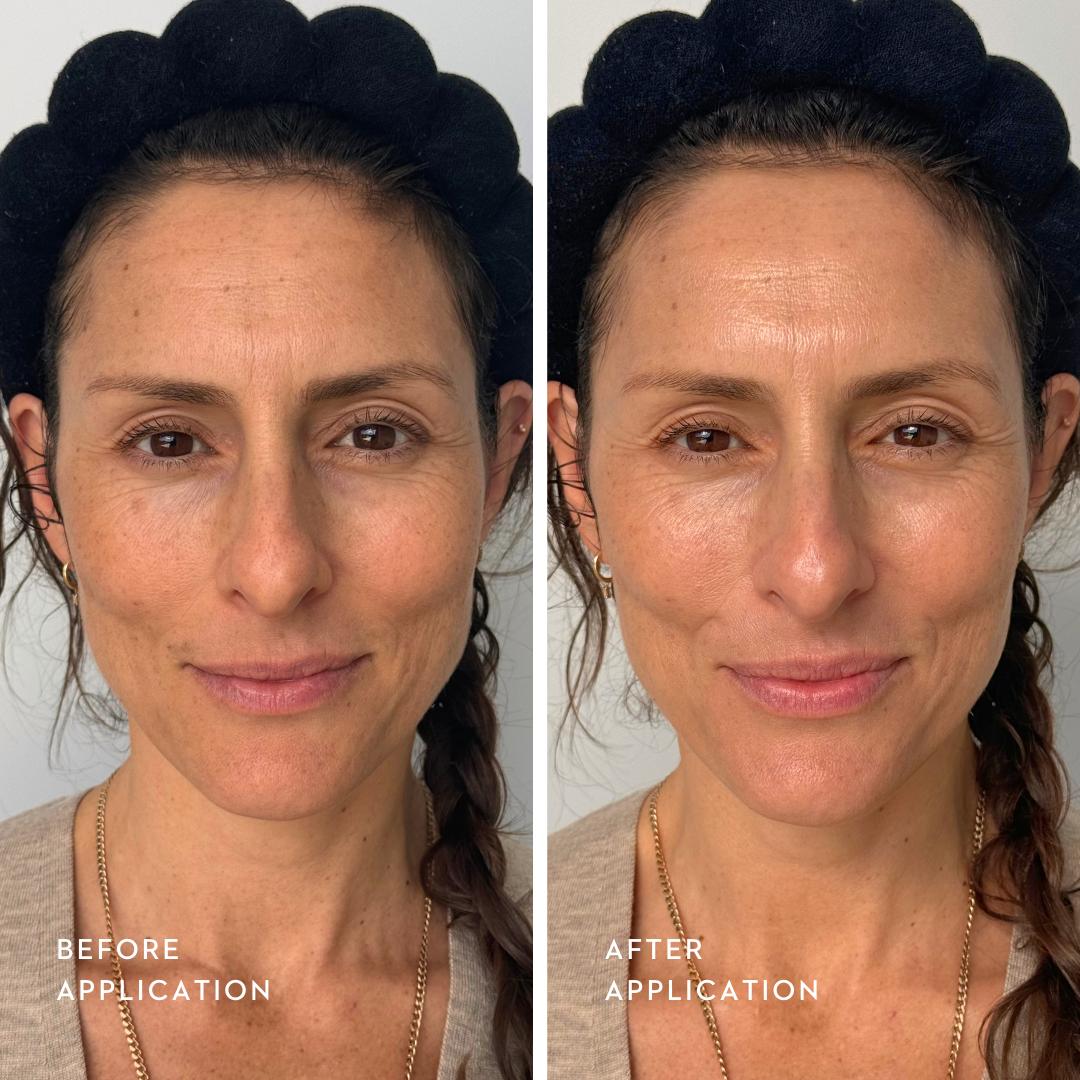
Finish with Daily Moisturiser with Sunscreen to provide adequate daily hydration, support and protection.
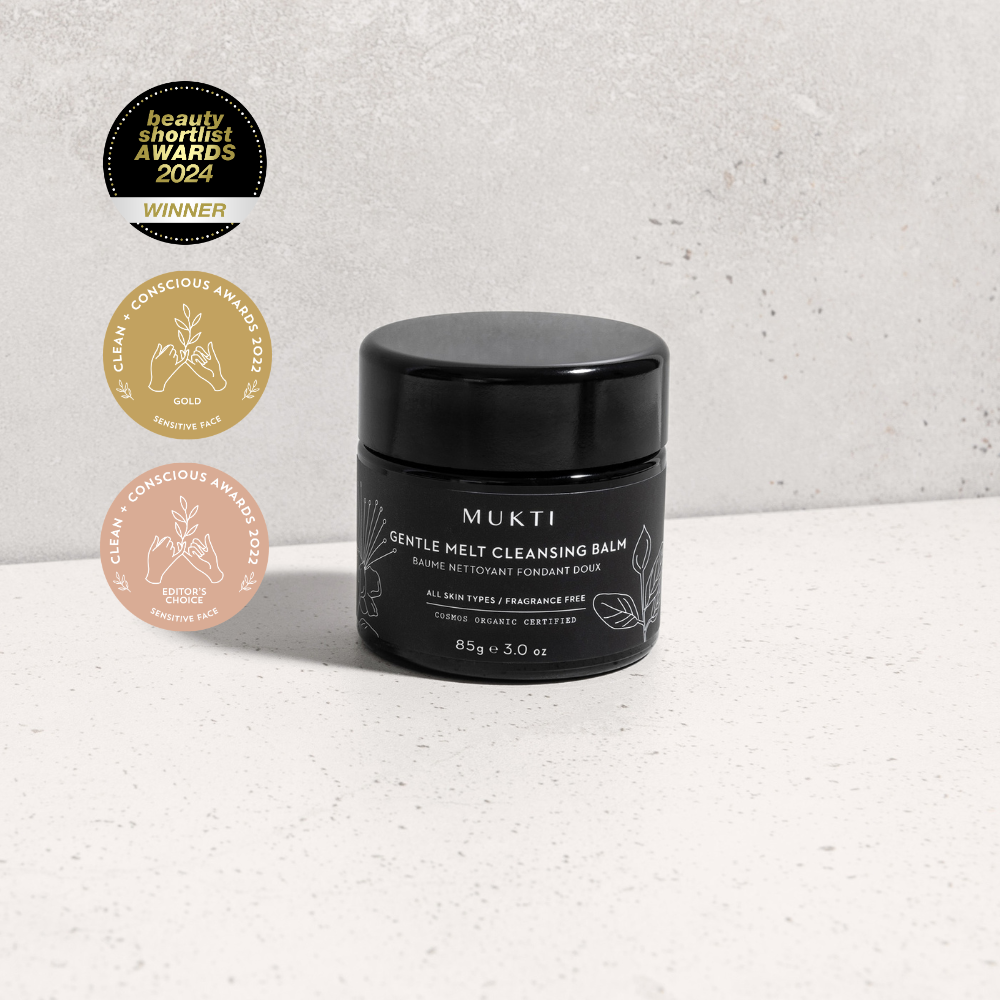
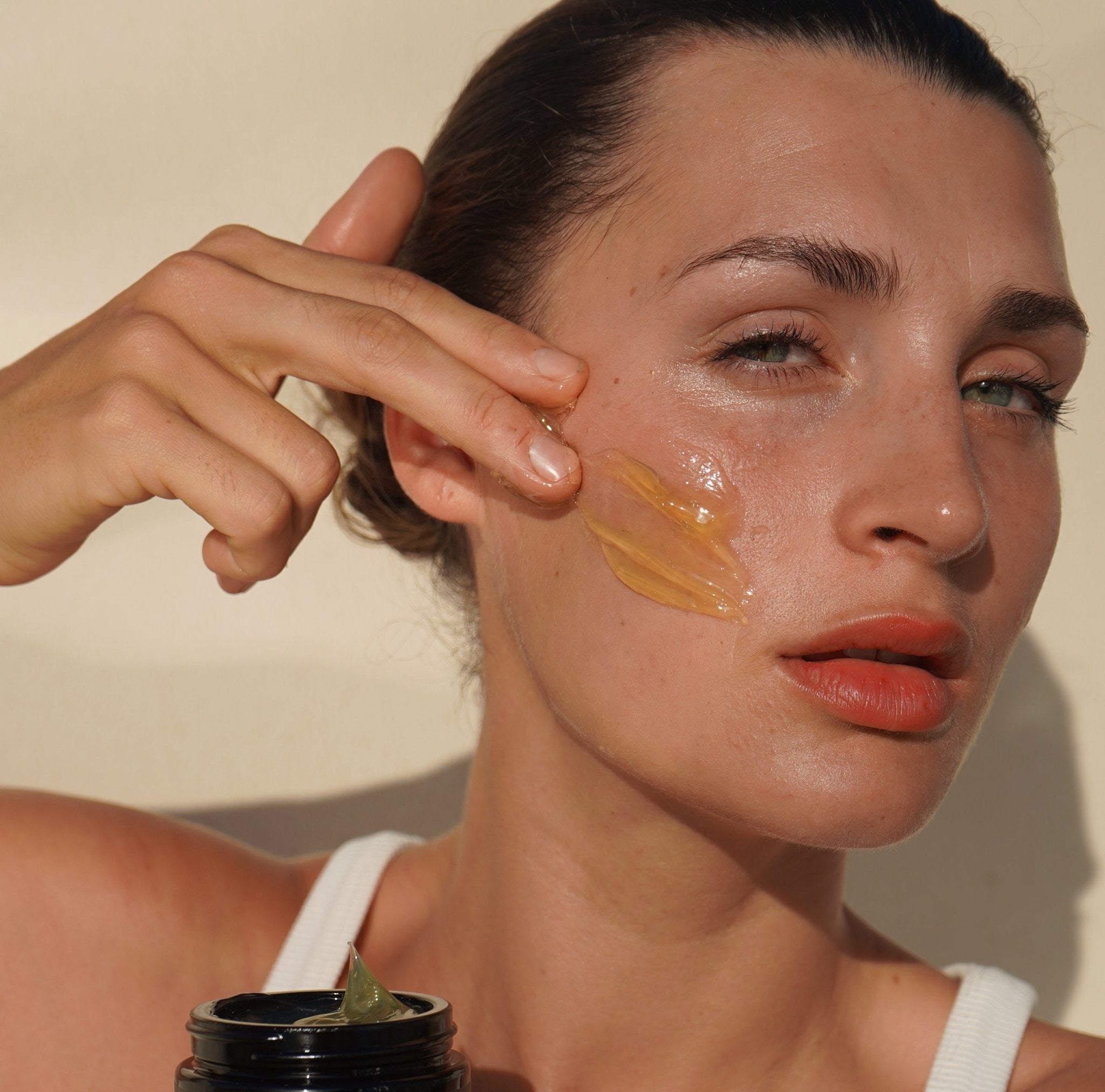
Double cleanse with Gentle Melt Cleansing Balm, leaving skin soft, supple, and nourished.
Mist lightly with Rose Blossom Hydrating Mist for soothing hydration.
Apply Vital B Elixir if skin feels dry and parched. Rich in niacinamide and essential nutrients, to deliver hydration, calm reactivity, and help fortify the skin’s barrier.
If skin feels red or inflamed, use Barrier Repair Serum to restore balance, reduce redness, and support a resilient skin barrier. Use alone or as well as Vital B.
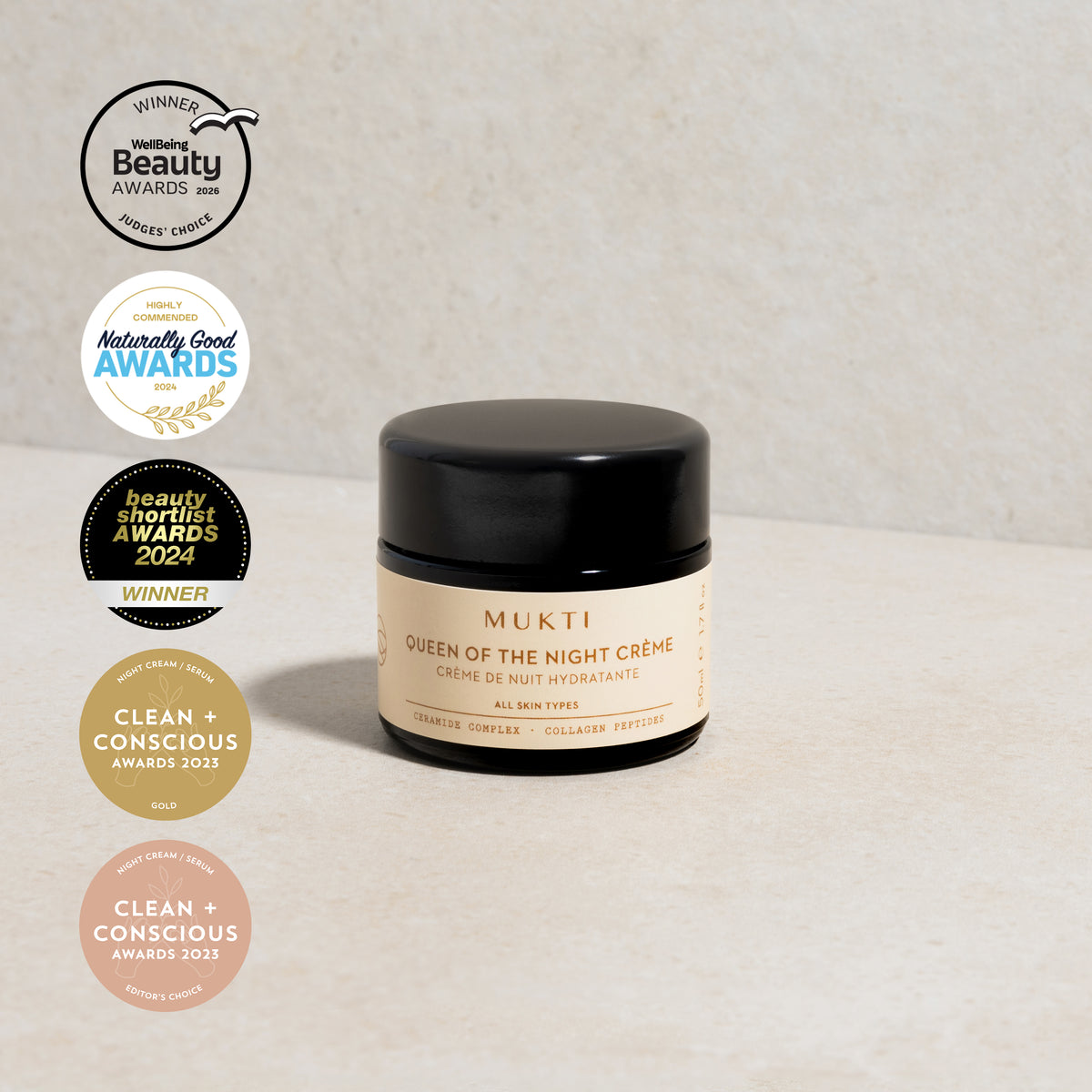
Use Queen of the Night at night to replenish ceramides and lipids, strengthen the skin barrier, hydrate, and boost collagen.
Frequently Asked Questions
This is not a new skin type but is a hormonally driven skin condition. It comes about during perimenopause and menopause, as oestrogen levels begin to fluctuate and eventually decline. Oestrogen plays a critical role in: Maintaining barrier integrity, supporting natural lipid production, regulating inflammation and preserving hydration. When oestrogen drops, the skin produces fewer ceramides and less sebum. The result is thinner, drier skin with increased transepidermal water loss (TEWL). This makes the skin more reactive to products, climate and even stress. Many women who have never had “sensitive skin” may suddenly experience some or all ofthese symptoms: stinging or burning, redness, dry patches on various parts of the face especially the nose, rosacea like flares also on the nose and mid plane of the face, itchiness.
Yes, significantly. Research shows women can lose up to 30% of collagen in the first five years after menopause, followed by an approximate 2% decline per year thereafter. Collagen provides: Structural firmness, elastic recoil and dermal density. Lower oestrogen also impacts fibroblast activity, meaning the skin produces less collagen, elastin and hyaluronic acid all found in the dermal layer of the skin. This is why many women notice symptoms such as sagging along the jawline, crepey texture, thinner skin and loss of plumpness.
Whilst skincare can’t replace hormones or halt ageing, it can meaningfully influence: barrier function, inflammation levels, collagen signalling, hydration, skin thickness and resilience. The key is not aggressive exfoliation or overuse of actives. In menopause, skin responds better to intelligent repair rather than correction driven protocols. The focus should be to calm and protect, restore lipids and hydration and reduce environmental stress.
We work on the philosophy of taking early preventative measures. Perimenopause can begin in the early 40s, sometimes late 30s. Subtle changes appear before periods stop and include skin feeling drier, makeup sits differently, healing slows down, fine lines appear more readily and sensitivity increases. This is the ideal time to transition from corrective premature ageing strategies to regenerative, barrier focused support rather than waiting until the symptoms are dramatic.